

How Often Should You Flush Your Water Heater?
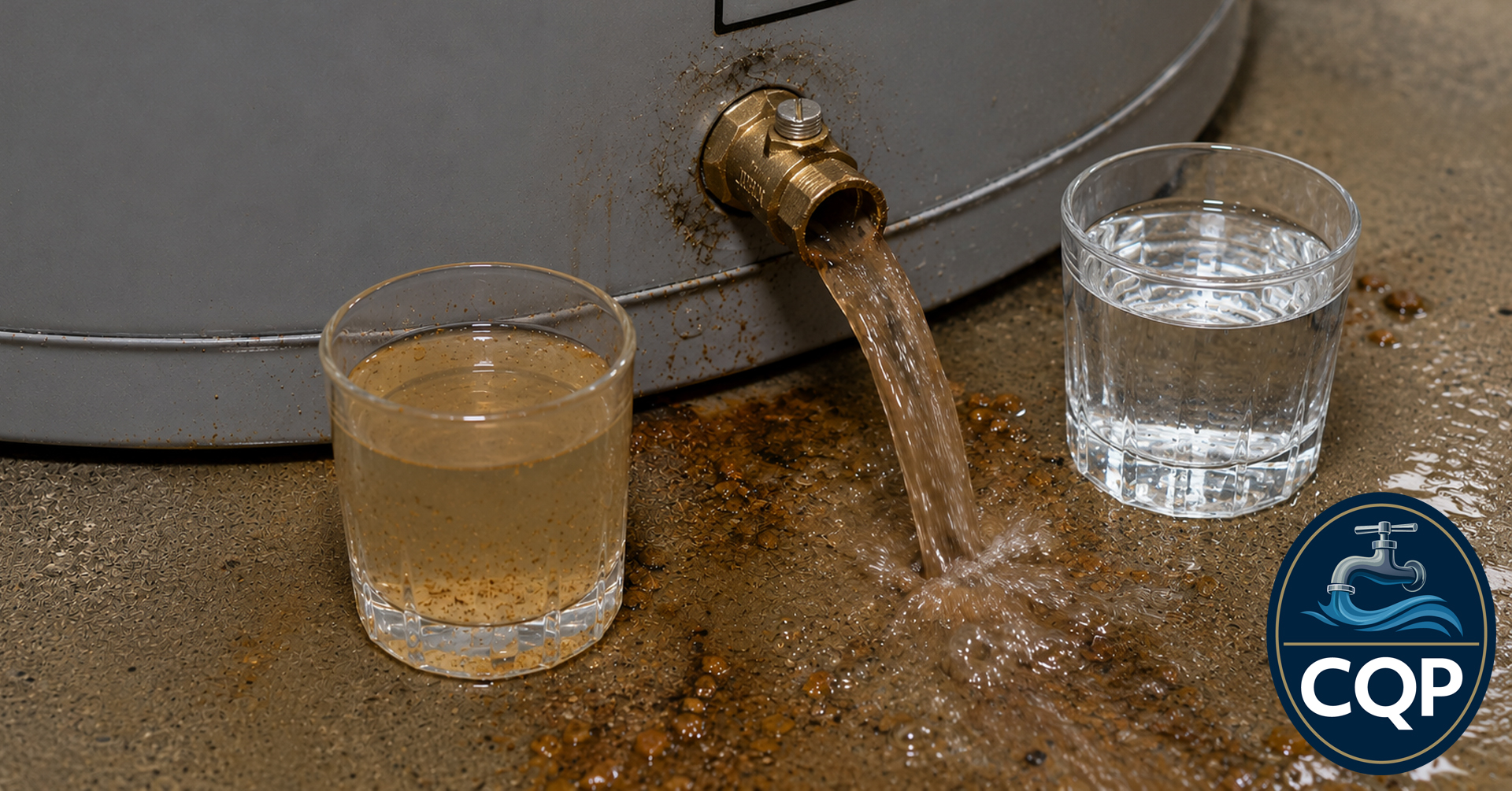
You should Flush Your Water Heater regularly to remove sediment, protect performance, and prepare for increased seasonal demand.


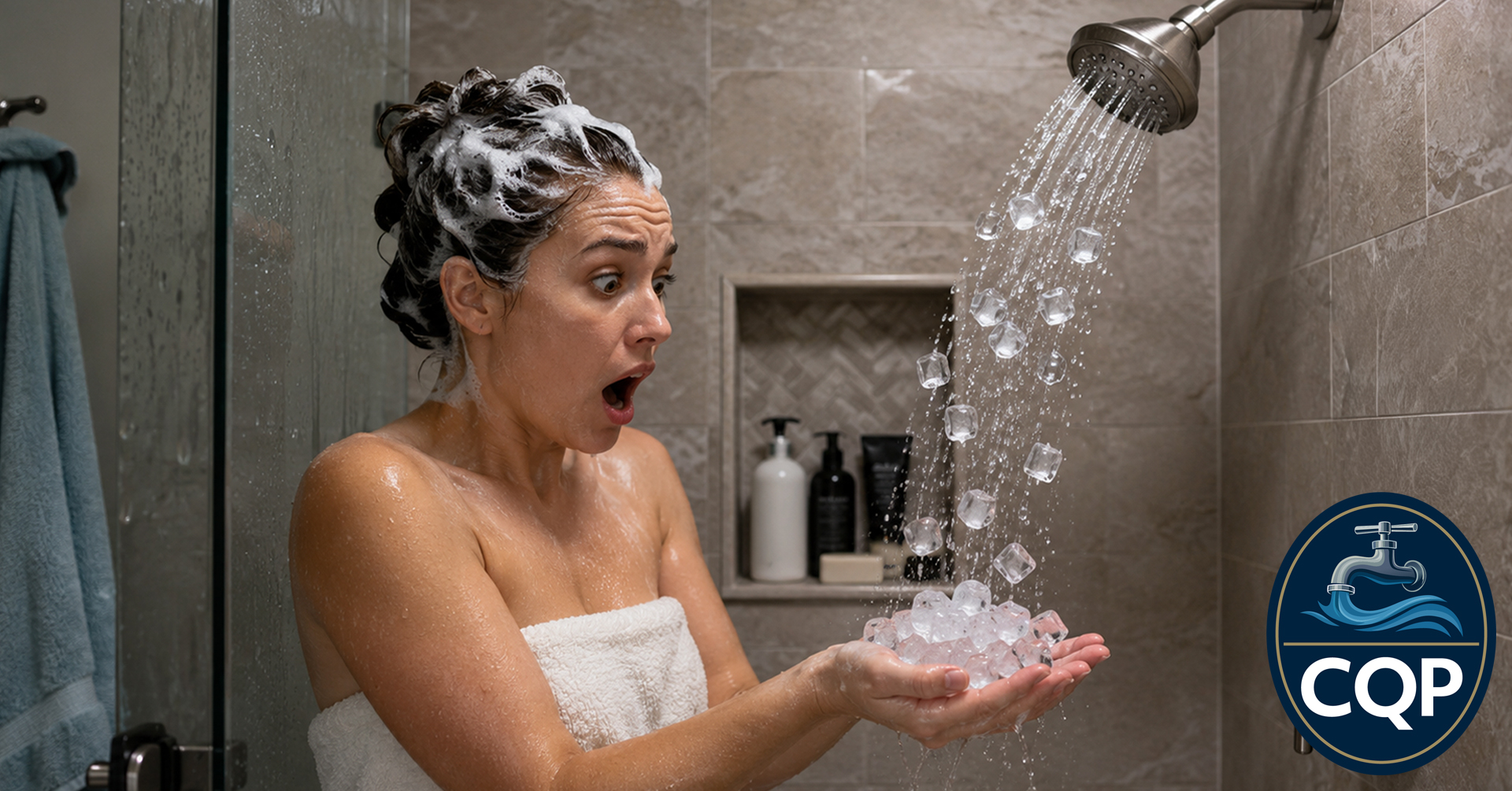
A broken water heater has a way of making itself known fast. Cold showers, no hot water for dishes, or strange noises coming from the utility room can make you realize how much you rely on a working system every single day. Water heater replacement is not something most people think about until it is necessary, but asking questions before the time comes can really make a difference.
If you are starting to wonder if your current setup will make it through another year, you are not alone, especially during the colder months of January. Planning ahead and understanding your choices gives you more control over the process. Instead of rushing through a decision, a little preparation now can help everything go more smoothly later on.
The first question to ask is whether your water heater is actually ready to call it quits. Some problems can be fixed with simple repairs, but others are signs that it is time for a full replacement.
Age matters too. Most heaters have a lifespan of 8 to 12 years. If yours is getting close to that range, it is worth asking if it is working as well as it should. When in doubt, a licensed plumber can inspect the system and give solid advice on whether a repair will hold or if it is time to plan for something new.
One of the most common questions is about size, and for good reason. A heater that is too small can lead to cold showers, while one that is too big may waste energy. The right choice depends on how many people live in your home and how much hot water you use in a typical day.
Tank-style water heaters store a set amount of water and refill as it gets used. Tankless systems heat water as it flows through, which can make them a good fit for smaller spaces or homes with lower hot water needs. Each style has its pros and cons, but neither will work well if it is not sized correctly.
An expert can help figure out the best fit by looking at your daily routine. Do you have kids who all shower around the same time? Do you run your dishwasher and laundry during the day? These things all play a role in which size works best for your house and habits.
Newer water heaters come with options that make everyday use a little easier and often more efficient. Depending on your household needs, a few extra features could be worth asking about.
You do not need every possible upgrade, but there might be one or two that match how your home operates. Talking through the possibilities with someone who understands the install process can help sort through which extras make sense and which ones you can skip.
This is one of the most practical questions to bring up before choosing a replacement. Not all heaters fit in the same space, and some types need more room, airflow, or safe access than others. Whether you are replacing a garage unit or dealing with a tight utility closet, placement can affect which type you choose.
Some things to think about include:
Local building codes may also have specific placement rules to follow. If any of these details sound uncertain, it is smart to talk through them before moving forward. Knowing ahead of time helps avoid delays once the job gets started.
In Maryland, early winter is often a smart time to make home fixes like water heater replacement. The holiday rush has passed, and the cooler weather means less demand on your plumbing system while it is being replaced. Even if your current unit still works, planning the right time can help avoid an emergency call later.
Scheduling the work before your heater completely quits means less stress and more flexibility. Since cold snaps can push older systems harder, January might be the perfect opportunity to get ahead of a possible breakdown.
All of this helps make sure the install happens on your time, not when your heater decides to give out.
Nobody likes to be caught without hot water on a cold January morning. Asking smart questions now gives you time to look at your options and choose something that works for your home and family. Whether it is about sizing, placement, or new features, each answer helps make the process easier when you are ready.
Planning ahead makes all the difference. When you know what to expect and what questions to ask, water heater replacement becomes a lot less stressful. Knowing you are prepared before your system calls it quits keeps your home running comfortably through every season.
Are you questioning whether your water heater will survive another winter? Let Carter Quality Plumbing help you navigate the ins and outs of a seamless water heater replacement. Our experienced team can assist you in selecting the right unit, discuss installation logistics, and ensure your new system is perfectly suited to your home's needs. Don't wait until your hot water runs out, call us today and stay comfortable all season long.