

How Often Should You Flush Your Water Heater?
You should Flush Your Water Heater regularly to remove sediment, protect performance, and prepare for increased seasonal demand.
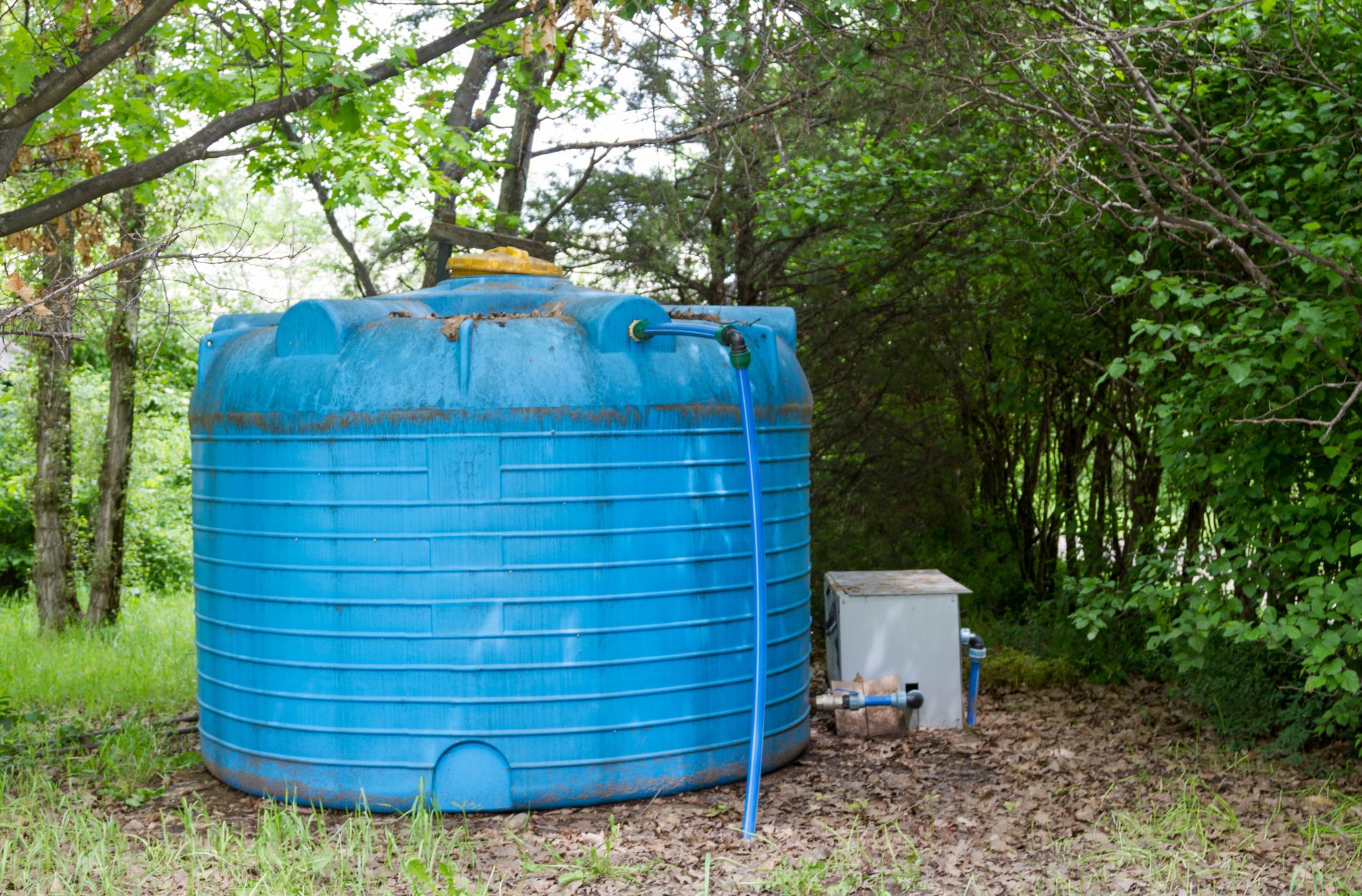


Cold weather can sneak up on a well tank system. What works smoothly during warmer months might have trouble when the ground starts to freeze. Without a little attention, it is easy for winter to cause issues like frozen pipes, water pressure changes, or tank damage.
Thankfully, there are simple ways to help keep the system steady when the temperature drops. Knowing how the tank works and checking it before a problem starts can prevent time-consuming and costly well tank repair. Staying ahead of the season helps everything keep running like it should, even in the cold.
Before moving into the cold-weather details, it helps to know what the tank actually does. Your well tank is responsible for helping store water and keeping pressure steady across your system. It acts as a buffer between your well pump and your plumbing.
When it is freezing outside, this balance can get thrown off. Cold ground can affect how water moves, and expanding ice around the outside of pipes or tanks may put pressure on different parts of your system. That can mean small leaks, pressure drops, or other winter surges that are not always easy to notice right away.
A few winter-specific issues to watch for include:
These problems can sneak up quietly at first, but they tend to grow if ignored.
One of the first things to check heading into winter is how well the well tank is protected from the elements. If the area around the tank or pump is not warm enough or if pipes are exposed, freezing becomes a real risk.
Some quick tips to follow during colder months:
Even a few degrees of warmth can make a big difference in preventing key parts of the system from locking up or cracking.
Pressure may not be the first thing you think about in winter, but it plays a big part in keeping water flowing the right way. When temperatures swing from day to night, water pressure can shift more than it does in other seasons.
If pressure gets too low, water might not reach certain areas of your home. If it goes too high, it could cause added stress on the tank and connected parts. That is why regular checks matter this time of year.
Signs of bigger trouble might include:
When you see signs like that, it may be time to check for larger causes, including whether a well tank repair might be needed before more damage is done.
Even if the system seems to be running, small changes can point to bigger issues. Listening and looking during your normal household routines can help you catch things early.
A few warning signs include:
These signs can suggest wear, blockages, or pressure issues that get worse during cold snaps. Paying attention now helps prevent a sudden system failure later in the season.
Snow or rain might seem harmless when it is outside, but when it reaches your tank area, it can cause bigger problems. Mixing cold moisture with electrical parts raises the chance of corrosion or short circuits. Keeping that area dry and free of clutter helps avoid preventable damage.
Winter care for the tank zone might include:
Creating just a little breathing space around your tank makes it easier to spot trouble early and reduces the chance of something getting bumped or soaked without you realizing.
Each winter brings a mix of cold snaps, wet days, and sudden freezes. Getting ahead of the season makes a big difference. Keeping your well tank covered, dry, and ready for pressure changes is one of the smartest ways to avoid last-minute emergencies.
Carter Quality Plumbing offers well tank repairs, maintenance, and full well services for homeowners in Anne Arundel, Maryland. Our team is available 24/7 and is experienced in protecting residential water systems from cold weather damage.
Even small checks now, like listening for strange sounds or checking pressure, can help you stay a step ahead before outdoor conditions get worse. Taking care of your tank before it struggles means you will have fewer worries during the months when water is needed most.
Noticing frozen pipes, odd noises, or changes in water pressure this winter? These can be signs it's time for a well tank repair. At Carter Quality Plumbing, we specialize in safeguarding your water system from the stresses of cold weather. Call us today to ensure your well tank is prepared to handle the chilly months ahead, keeping your home cozy and trouble-free.