

How Often Should You Flush Your Water Heater?
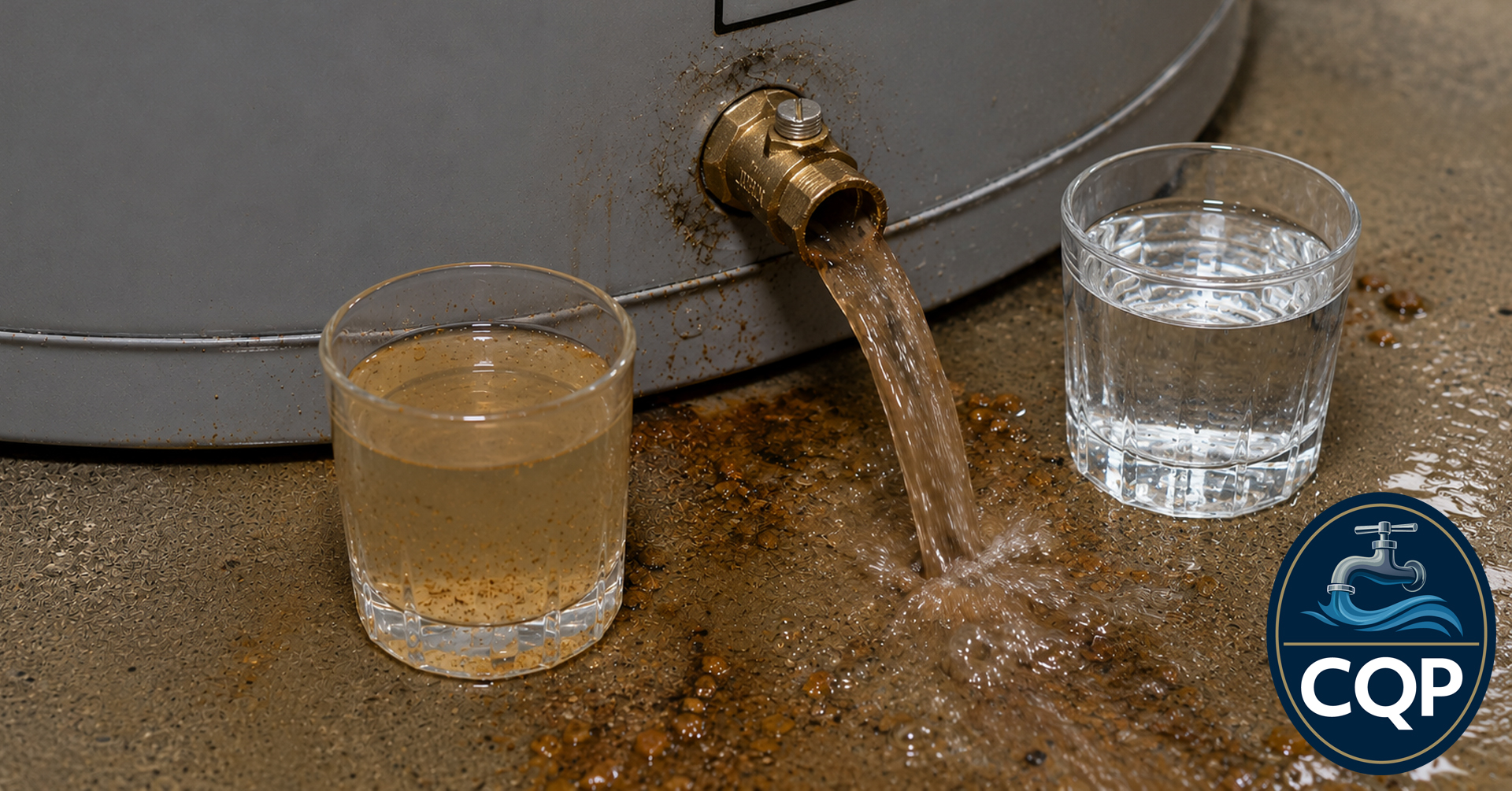
You should Flush Your Water Heater regularly to remove sediment, protect performance, and prepare for increased seasonal demand.
.jpg)


When the temperatures drop, most of us start leaning heavily on indoor heat. Gas furnaces kick on more often, gas fireplaces get more use, and other appliances start running nonstop just to keep us comfortable. But sometimes, that shift in everyday use brings new problems, and one of the most alarming can be the smell of gas inside your home.
If you have ever noticed a sharp, rotten egg-like smell in the air, your first instinct might be that something is wrong. That instinct is often correct. That smell is a warning sign that there could be a problem with your gas line or one of the appliances connected to it. Winter weather makes this more common for a few different reasons, which is why it is helpful to know what to look out for and how to respond.
When it is cold outside, gas-powered systems run more often. That includes your furnace, water heater, stove, and sometimes a fireplace. These systems work hard through the winter months and might start to show signs of wear. An issue that goes unnoticed in warmer seasons can become a problem once the temperature drops.
Here are a few reasons gas smells become more common in winter:
Even small changes like these can lead to leaks, especially if systems have not been checked in a while.
One challenge with indoor gas smells is figuring out where they are coming from. Not all gas leaks are out in the open, and many can start in areas you normally do not check.
Some common spots where leaks can begin include:
Leaks do not always make noise, and they may not cause noticeable changes in appliance performance right away. Sometimes all you will notice is the smell. During winter, when your home has less fresh air circulation, that smell can hang around longer and seem stronger.
Gas systems are made of many types of materials, including metal pipes, rubber gaskets, and valves. When temperatures drop quickly, those materials can shift in small but important ways. Over time, this natural expansion and contraction can lead to loose joints or hairline cracks that allow gas to seep through.
Here are a few things that can raise the chance of a gas smell indoors during winter:
These factors do not necessarily mean something is wrong, but they increase the chance that a small issue could turn into a bigger one if not addressed quickly.
If you notice a strong gas smell indoors, it is important to take action, but not by trying to figure it out alone. Safety should come first, and that means not touching anything and leaving your home without delay if the smell is strong or spreading.
Here is what we recommend:
It can feel tempting to peek behind the stove or try to tighten something, especially if the smell seems small. Gas leaks are serious, and even small ones can be dangerous if handled the wrong way.
As part of our comprehensive plumbing services, at Carter Quality Plumbing, we offer gas line inspections, repairs, and installations for homes in Anne Arundel, Maryland. Our team is fully licensed to handle gas leaks and emergencies, and we are available 24/7 to help when you need it most.
Cold weather often makes us think about warmth and comfort, but it is also a time to be more aware of what is happening around appliances and heating systems. Paying attention to strange smells or sounds can help catch small issues before they become something bigger. Knowing where a gas smell might come from, whether it is near a furnace, hidden behind an appliance, or around a gas line, can help make the situation feel less confusing if it happens.
Winter may bring more wear and tear to gas-powered systems, but a quick response can make all the difference. Keep an eye and nose out for anything unusual, and do not wait to act if something does not seem right. Staying warm is a priority during the colder months, and so is staying safe.
Stay vigilant this winter when using gas-powered appliances, as even minor issues with your gas line can escalate quickly. If you detect an unusual smell or feel unsure about your system's safety, don't hesitate to contact Carter Quality Plumbing. Our licensed experts are available 24/7 to ensure your home remains both warm and secure throughout the season. Reach out today for peace of mind and professional support.