

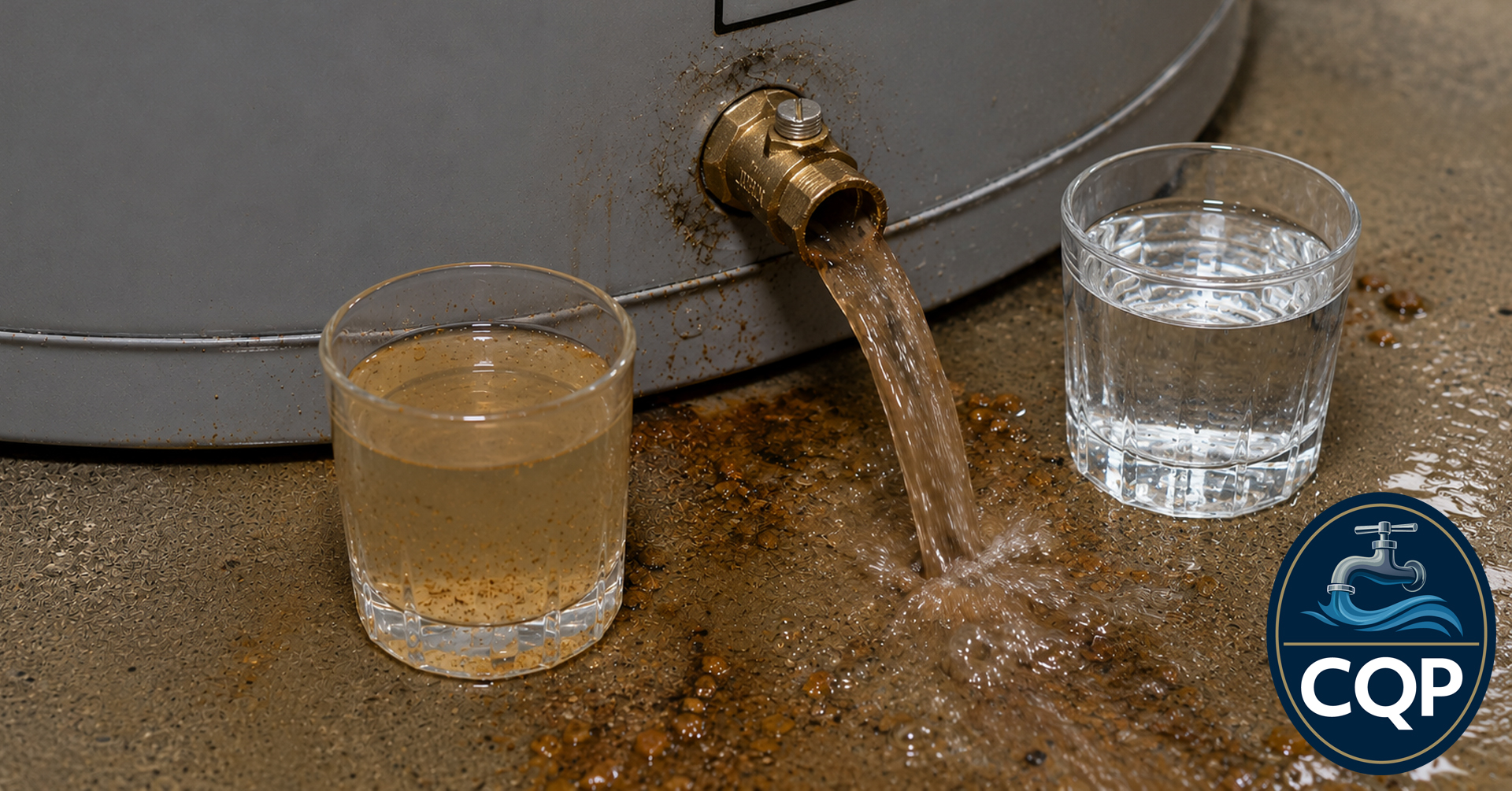
How Often Should You Flush Your Water Heater?
You should Flush Your Water Heater regularly to remove sediment, protect performance, and prepare for increased seasonal demand.
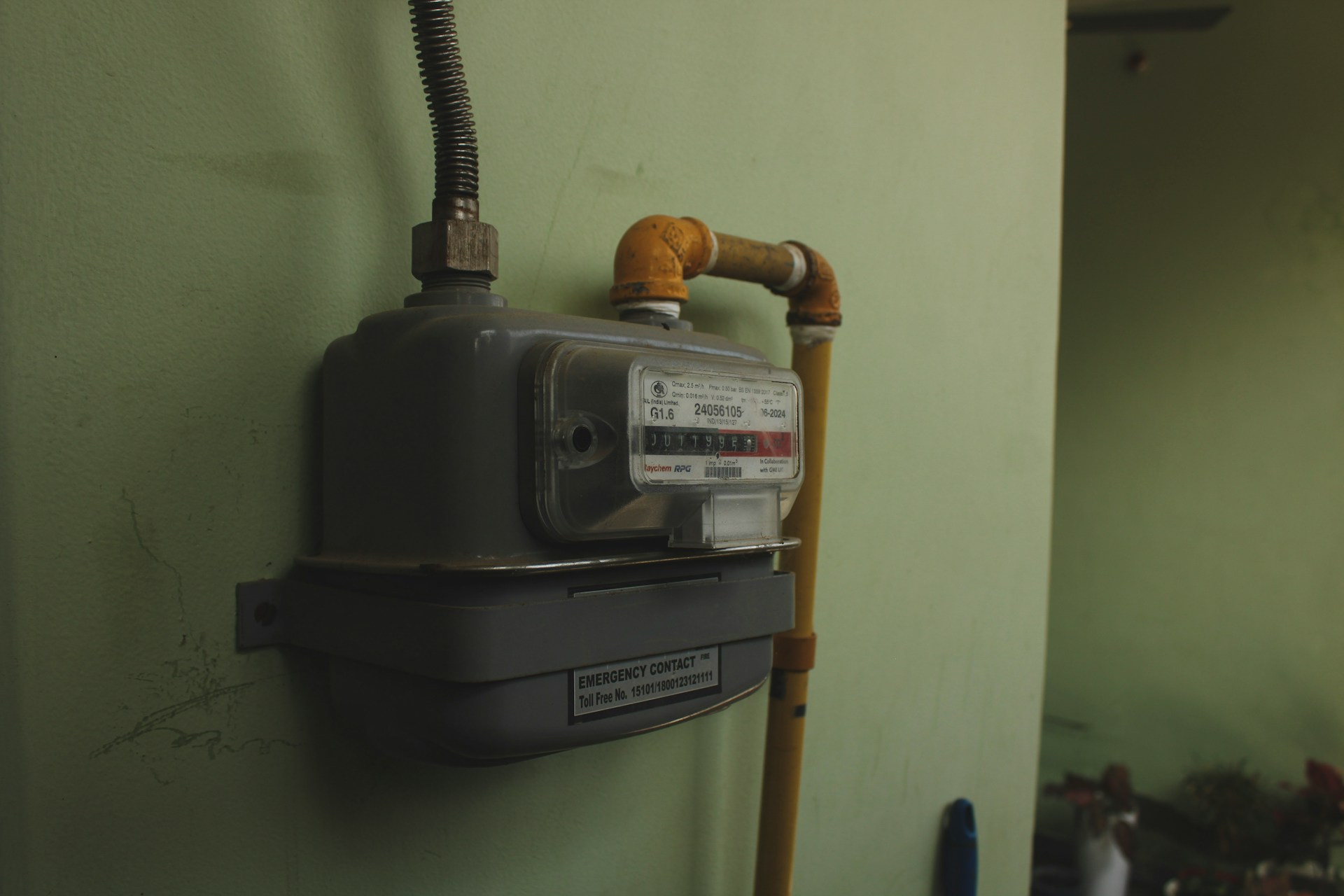


Gas lines play a big role in how many homes and buildings run each day. They quietly power ovens, clothes dryers, fireplaces, and water heaters without much thought from us. Because they're usually buried or hidden behind walls, we don't see them often. And since they're built to last, most people assume they're always in good shape.
But even a strong gas line can sometimes run into trouble, with little or no warning. That's why it's helpful to know the small signs that can point to a deeper problem before anything serious happens. Not every gas issue starts with a loud noise or strong smell. Some sneak up slowly and cause trouble before they get noticed.
Most homes rely on their gas lines all year, but warmer weather can add new pressure to aging pipes and fittings. With the change in seasons, outdoor work, and heavier use of appliances, even a small weakness can become more noticeable. It's important to think ahead and get familiar with simple signals that something is not quite right.
Every gas-powered appliance in a home connects to the gas line. This pipe delivers natural gas from the meter to where it's needed, like the stovetop for cooking or the furnace for heat. In most homes, the gas flows through the system smoothly and safely, without any issues.
Still, gas lines need to be looked at every so often, especially in places with a lot of moisture or changes in temperature. Over time, exposure to heat, humidity, or shifting outdoor ground can wear away at the connections or the pipe itself. Pipes don't have to burst or crack loudly to cause issues. Even small changes in pressure or aging joints can lead to slow leaks or weak spots if left alone for too long.
Carter Quality Plumbing provides licensed gas line inspection, repair, and new gas line installation for homeowners in Anne Arundel, Maryland. Our experienced plumbers are available 24/7 to address gas emergencies and help keep your appliances running safely year-round.
Having a safe and steady gas line helps keep life running smoothly, especially with busy schedules and special occasions in spring and summer. It's easy to forget about these hidden pipes, but an unnoticed problem can throw off daily routines and lead to larger headaches if not checked.
Yes, sometimes gas line issues begin quietly. Things like tiny leaks, rust, or wear can weaken the pipes over time without setting off any major alarms. When wear happens slowly, it's easy to miss.
Here are a few reasons these problems slip past people at first:
If appliances seem just a little off, or if family members mention odd smells in certain rooms, it's smart to pause and check. The smallest change may be the first clue that something deeper is going on with the line.
Since gas lines are usually hidden from view, we often rely on how things feel or smell inside. Without something big and obvious happening, it's easy for smaller issues to be pushed aside until they grow.
Spring rain and early summer storms can also cause the earth to shift, making underground connections more prone to stress. Fittings may loosen or seals may wear away, leading to leaks or pressure changes that aren't easy to see but can be felt in how your appliances run.
Even minor signs can signal that something is off with a gas line. Paying attention can help us stay ahead of any dangers. These clues might not seem like much at first, but they're worth noticing.
Gas leaks often follow unusual weather or times of heavier use. If your stove, dryer, or water heater isn't running as smoothly as usual, keep track of when and how often it happens. Sometimes, soft clicking or whooshing sounds near the appliance or meter are a warning that should be checked.
If something feels different or off, it's smart to take it seriously. Small symptoms can lead to bigger risks if not checked out.
Even outdoor signs matter. If a strip of grass is always dry or dying in an otherwise green yard, it could point to a slow leak right below the surface. Don't overlook odd patches in the lawn, wilting flowerbeds, or unusual growth near the gas meter.
Gas line problems rarely fix themselves. Once something starts to weaken, it usually keeps getting worse. What begins as a slow leak can eventually lead to loss of service, a shutoff, or worse, a safety hazard.
Spring and early summer are smart seasons to be proactive. That's when most homes go through changes, sometimes with more outdoor cooking, some remodeling, or increased use of appliances. Fixing issues before the busiest parts of the year gives you more peace of mind and keeps everything running steadily.
Spotting concerns early helps:
A quiet leak or aging fitting might not feel urgent today, but fast attention keeps it from turning into something that is.
Small repairs and checkups now are easier than big repairs in the future. Families who spot issues early spend less time dealing with surprises during busy times or special events. It's always better to know your appliances and gas system are working like they should before guests arrive or before the weather warms up for backyard fun.
Gas systems can trick us into thinking everything is fine because they're hidden from view. But our homes trust these systems every day to keep things running safely and smoothly. Staying aware of small changes, like odd smells, appliance troubles, or signs near the yard, keeps that trust strong.
Most gas line issues don't start with anything dramatic. They show up in subtle ways, slowly over time. That's why catching them early matters. A small warning sign today can prevent a lot of disruption down the road. Paying attention before summer is in full swing helps keep home life both simple and safe.
Knowing the basics and watching for even the most minor changes can keep daily life a lot less stressful. Families who are alert and check on how their gas appliances are running often find problems before they get worse. If names for smells, unusual noises, or visible damage to pipes or yard lines ever come up, take a few minutes to investigate, even if everything seems to be running as usual.
Noticing subtle changes around your gas-powered appliances or want peace of mind before warmer weather sets in? Have Carter Quality Plumbing evaluate your gas line to ensure your home remains safe and efficient. Our professional team is ready to address any concerns promptly, so you can enjoy peace of mind knowing your appliances are in good hands. Schedule your appointment today and keep everything running smoothly.