

How Often Should You Flush Your Water Heater?
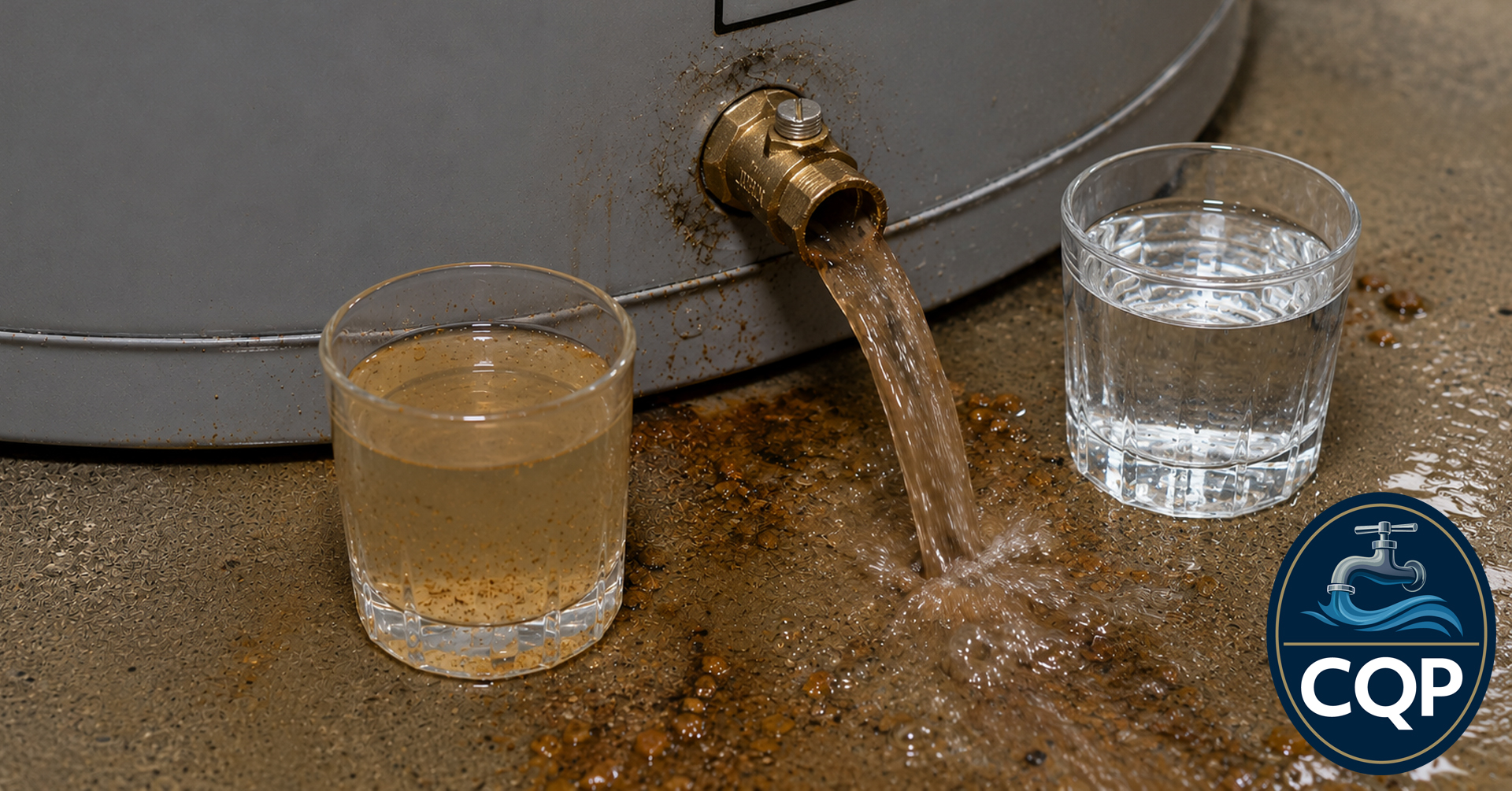
You should Flush Your Water Heater regularly to remove sediment, protect performance, and prepare for increased seasonal demand.
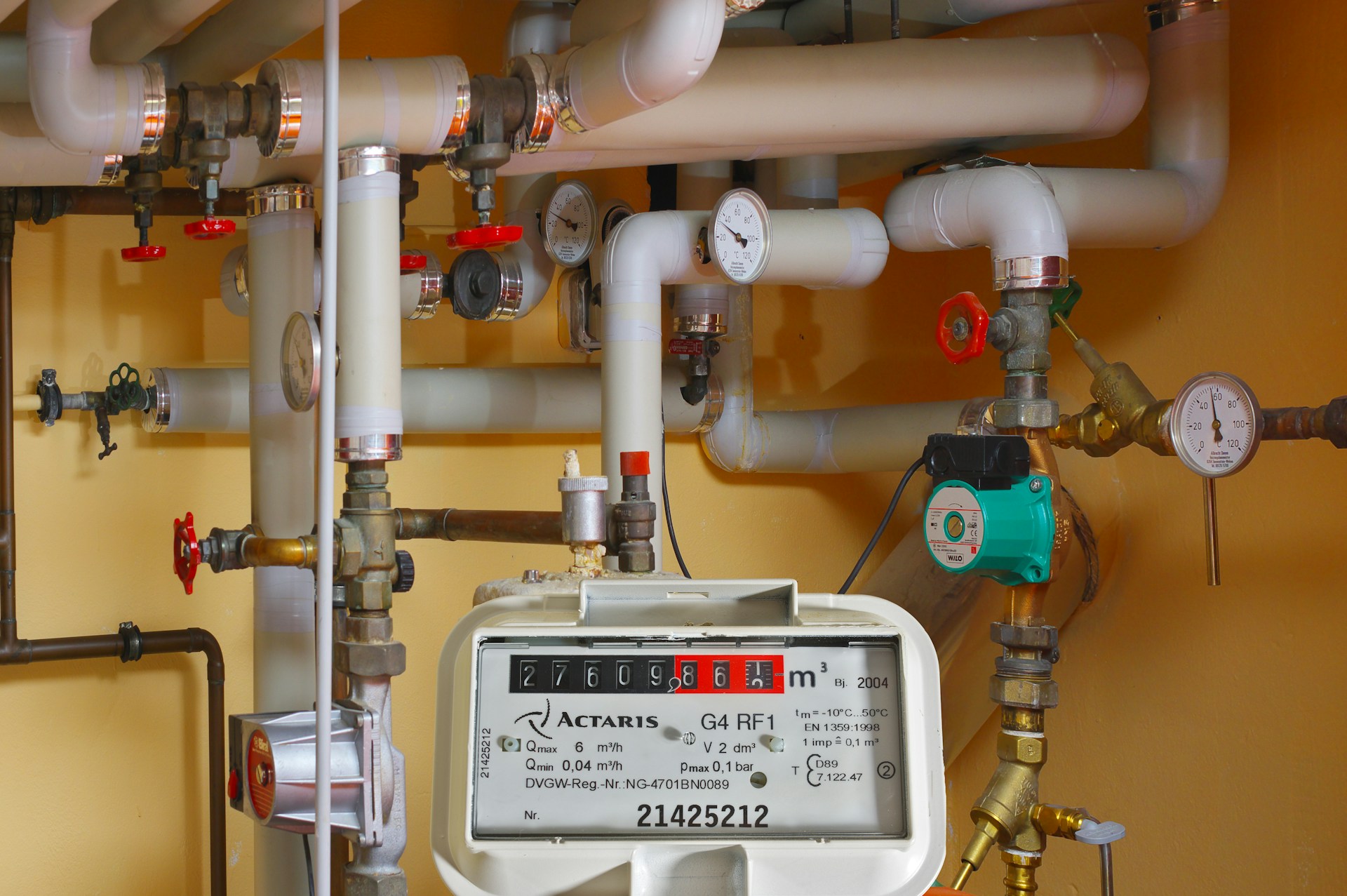


As summer rolls in, we tend to think about cooling off and cutting back on energy use. But heat doesn't just affect us. Our homes feel it too, especially when it comes to plumbing, appliances, and gas systems. If your gas line isn't in solid shape, those scorching July days can make an existing problem worse.
Gas service helps power things like ovens, water heaters, dryers, and even outdoor grills. And in Maryland, where heat can press down for days at a time, a safe and steady gas system matters more than some homeowners expect. That's why it's worth knowing the signs that something's starting to go wrong, even before summer gets into full swing.
One of the easiest ways to tell something's off with a gas line is by smell. Natural gas doesn't have a scent on its own, but a chemical is added to create a distinct sulfur or rotten egg smell. If that smell pops up inside or around your home, pay attention.
Other warning signs include:
Even if these signs are small right now, they usually mean pressure is releasing where it shouldn't. Warm weather can make that worse by expanding materials and creating tiny shifts in buried lines or indoor fittings.
When appliances that use gas start acting up, it's often easier to blame the equipment first. But persistent quirks could be tied to gas supply issues.
Watch out for:
These problems often start slow, showing up just once in a while. But as July heat builds and more strain is put on your system, all those little hiccups could turn into full-blown failures.
Sometimes, these issues are chalked up to aging appliances or a need for cleaning, but when problems return after basic troubleshooting, it's smart to think about the fuel supply. Disruptions or leaks along the gas line can prevent appliances from working their best, and repeated starts and stops may gradually add wear over time.
Gas lines often run underground before they ever connect to a home. That means trouble can start far from an appliance or visible hookup. If you walk through the yard and notice dead or discolored grass in spots where everything else looks green, don't ignore it.
Here are a few warning signs to watch in outdoor spaces:
Heat can shift the ground just enough to crack a section of buried line, especially if the soil around it dries out or expands from temperature swings. Keeping an eye on these changes can help prevent bigger issues later.
Sometimes, these changes are subtle. For example, a section of your yard may appear a different color than the rest, or an oddly persistent wet patch lingers even as the sun shines day after day. Staying alert to such details as the weather heats up gives you a better shot at catching a hidden gas problem long before it can escalate into something more significant.
Most of us get used to seeing smaller gas bills during the summer, since heaters and other high-use appliances stay off. So when that bill starts creeping up for no reason, it can be a clue that something's off behind the scenes.
You might notice:
Over time, a small leak or pressure drop can make appliances work harder just to maintain the usual heat or function. That strain can quietly drive up energy costs without any clear cause until it becomes more obvious.
Sometimes the changes in your bill are easy to overlook because of other small increases, but if you pay attention to patterns, a trend can become clear. It's worth skimming old statements and comparing them year to year. Tracking your usage gives valuable clues that something might be wrong even if no appliances are failing yet.
Gas problems don't always show up in visible ways. Sometimes the first sign is how you feel. If something's off in the home and it doesn't quite add up, it's worth noticing when and where those feelings happen.
Symptoms to watch for at home:
These can be easy to downplay, especially during hot stretches when we're already worn down. But if they line up with slow-starting appliances, whiffs of gas here and there, or strange sounds, the gas line could be part of the problem.
If you or others at home start to notice symptoms repeatedly in certain rooms, or the air seems stale or unpleasant, don't just assume it's because of the summer heat. Pairing these feelings with the physical signs already listed makes a strong case to look into your gas system safety.
A working gas line may be out of sight, but it's one of the most important parts of how your home stays functional in the summer months. From cooking food to heating water to powering some outdoor setups, we rely on it more than we think.
Carter Quality Plumbing offers gas line repairs, replacement, and safety inspections for homes and businesses in Anne Arundel, Maryland. Our licensed plumbers are available 24/7 to respond to emergencies or address hidden issues, keeping your home safer during all seasons.
When July heat settles over Maryland, the wear on gas systems builds fast. Older lines or weak spots have a harder time holding up. Catching signs early, even if they seem small, can keep those problems from building into bigger headaches later. A safe gas system means your home runs smoother without surprises just when the weather feels too hot to handle more complications.
Noticing unusual smells, flickering burners, or changes in your yard? These can all be signs that your system isn't ready for the Maryland heat. While a worn or leaking gas line isn't always obvious, paying attention to what your home is telling you can make all the difference. Let Carter Quality Plumbing help you stay ahead of the heat, give us a call and let’s take a closer look together.