

How Often Should You Flush Your Water Heater?
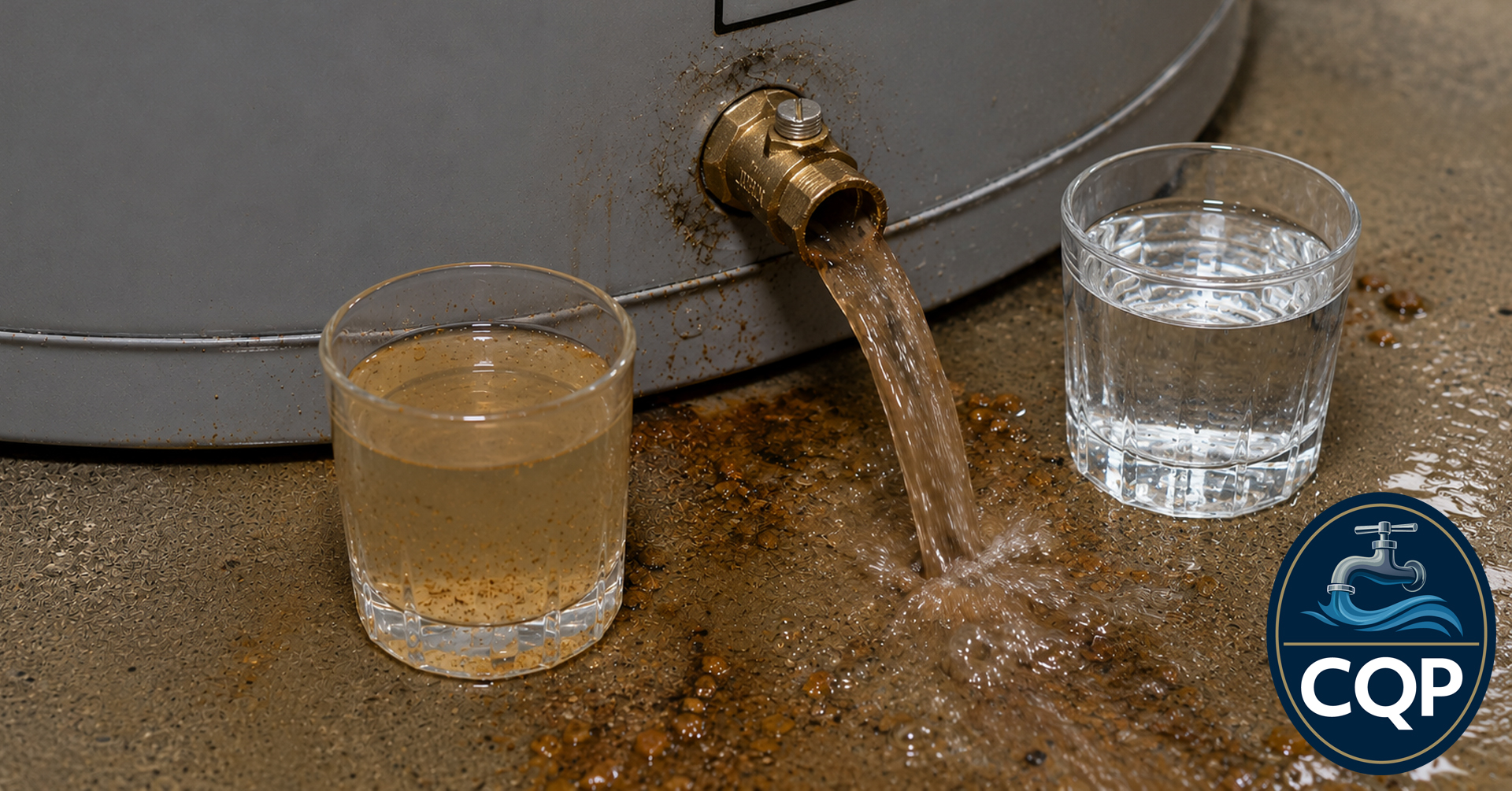
You should Flush Your Water Heater regularly to remove sediment, protect performance, and prepare for increased seasonal demand.


Summer puts a lot of pressure on water systems, especially in homes that rely on wells. Whether it's extra laundry, outdoor chores, or kids home from school, water use often jumps when the weather heats up. That's when older well tanks start to show their age.
Aging tanks can struggle to keep up with demand, and small problems that were easy to miss in cooler months can become full-on headaches in peak summer heat. That's where early well tank repair comes in. Paying attention to how your system handles higher use before summer gets into full swing can make all the difference.
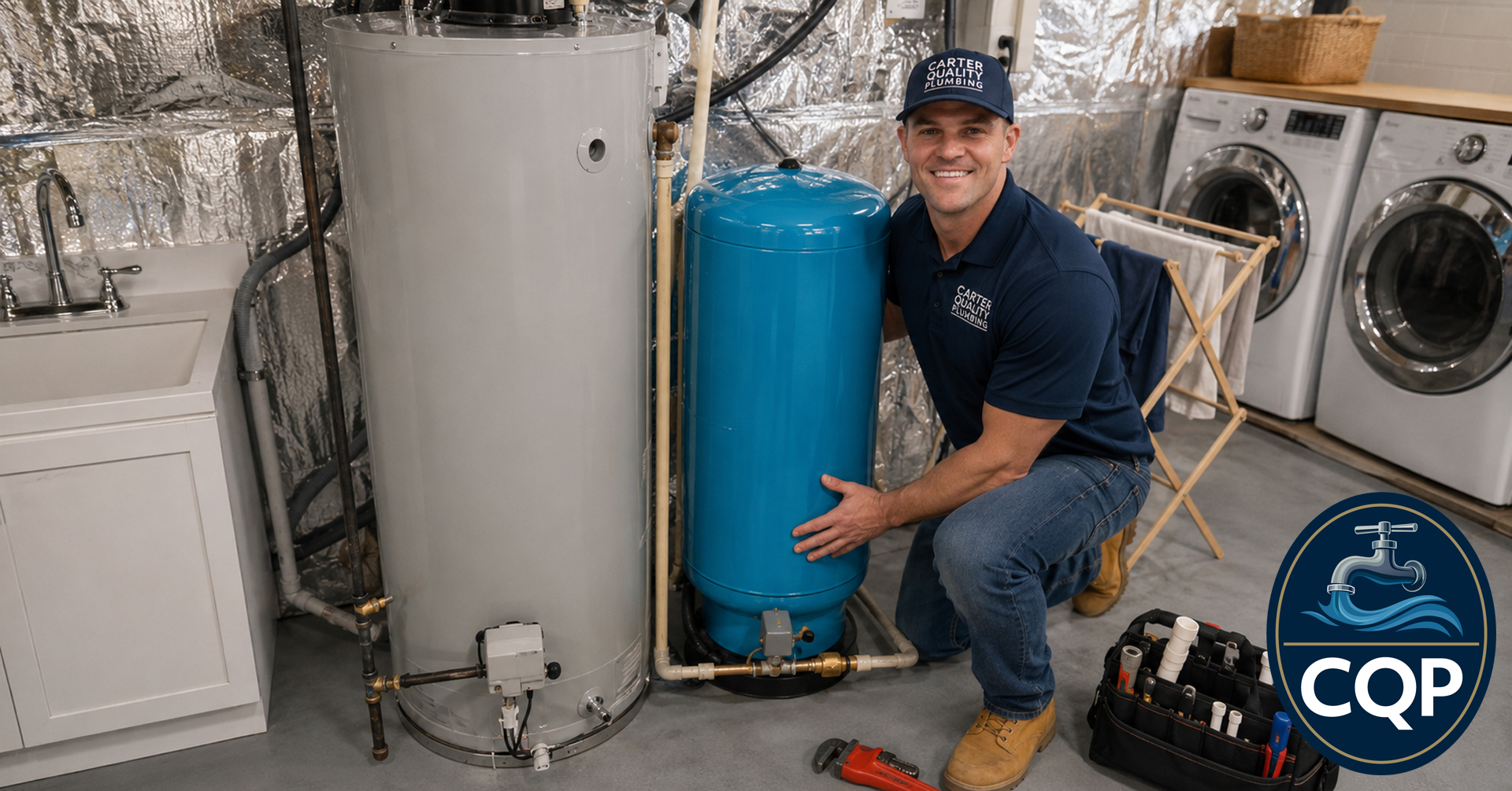
Your well tank plays a quiet but important role in how water reaches your home. It doesn't just store water, it helps manage the pressure that keeps water flowing steadily to your faucets, shower, and appliances. Inside the tank, air and water are separated by a rubber bladder or diaphragm. As water fills the tank, this air helps build enough pressure to push the water out when you turn on a tap.
Over time, though, things shift inside. The bladder can weaken or burst. The metal parts may begin to corrode. These aren't always problems you see or hear right away, but as the tank gets older, it loses strength. That means it may not keep pressure as well, or it might make your pump work way more than it should.
When summer hits, that extra strain really shows. Daily habits like watering the garden, spraying off the driveway, or running a second load of laundry can be too much for a worn-out tank. The older it is, the less likely it can keep up without issues.
Carter Quality Plumbing provides expert well tank repair and full well service to residential and commercial customers in Anne Arundel, Maryland, and surrounding areas. We handle tank repairs, bladder replacements, and emergency well service with 24/7 availability for urgent issues.
Some of the clearest signs of tank trouble roll in with warmer days. If a tank is nearing the end of its life or already having issues, the signs will start small but grow steadily. Here's what we tend to notice most during summer use:
These usually don't show up overnight. They build slowly, which makes them easy to ignore or chalk up to something else. But when you're using more water every day, the signs become hard to miss.
Skipping over the small stuff can lead to bigger problems later. A struggling tank doesn't just affect how your water flows, it can cause real damage elsewhere in the system, especially during times of high demand.
Once that starts, you're dealing with not just one issue, but possibly two or three. What began as a weak bladder inside a tank could turn into pump repairs, water discoloration, or full loss of service during a hot summer weekend.
Even with careful use, no well tank lasts forever. Before summer really kicks in, it's smart to look out for a few clear signs that your tank may be ready for service (or at least a closer look).
We always recommend thinking about well tank repair before the middle of the season, when water use peaks. A service check in late spring helps catch anything that doesn't look right before it turns into a midsummer breakdown.
Getting ahead of these issues helps keep everything working like it should. Repairs usually cost less and take less time than a full replacement, and they give your water system the strength to handle a busy summer without stress.
Older tanks tend to act up right when you need them the most. It's easy to forget about that sealed metal tank quietly sitting near your well or in the basement until it causes a problem. But that's why a little attention in late May or early June goes a long way.
A few small changes in how your water behaves can mean your system is asking for help. Better to spot those now, instead of mid-summer when a cookout, laundry pile, or hot shower suddenly becomes a challenge. If your tank has been around a while, give some thought to how it handled last summer's heat. The answer might tell you what to expect in the weeks ahead.
Carter Quality Plumbing has been serving families and business owners in Maryland since 2001 with well tank repair, water testing, pump service, and more. We believe an ounce of prevention can make summer easier for everyone.
Feeling the summer strain on your water system? Don't wait for bigger problems to arise. Schedule an expert well tank repair with Carter Quality Plumbing to ensure your home can handle the heat. Our team is ready to provide the lasting solutions you need for a stress-free summer, keeping your water flowing smoothly and efficiently.