

How Often Should You Flush Your Water Heater?
You should Flush Your Water Heater regularly to remove sediment, protect performance, and prepare for increased seasonal demand.


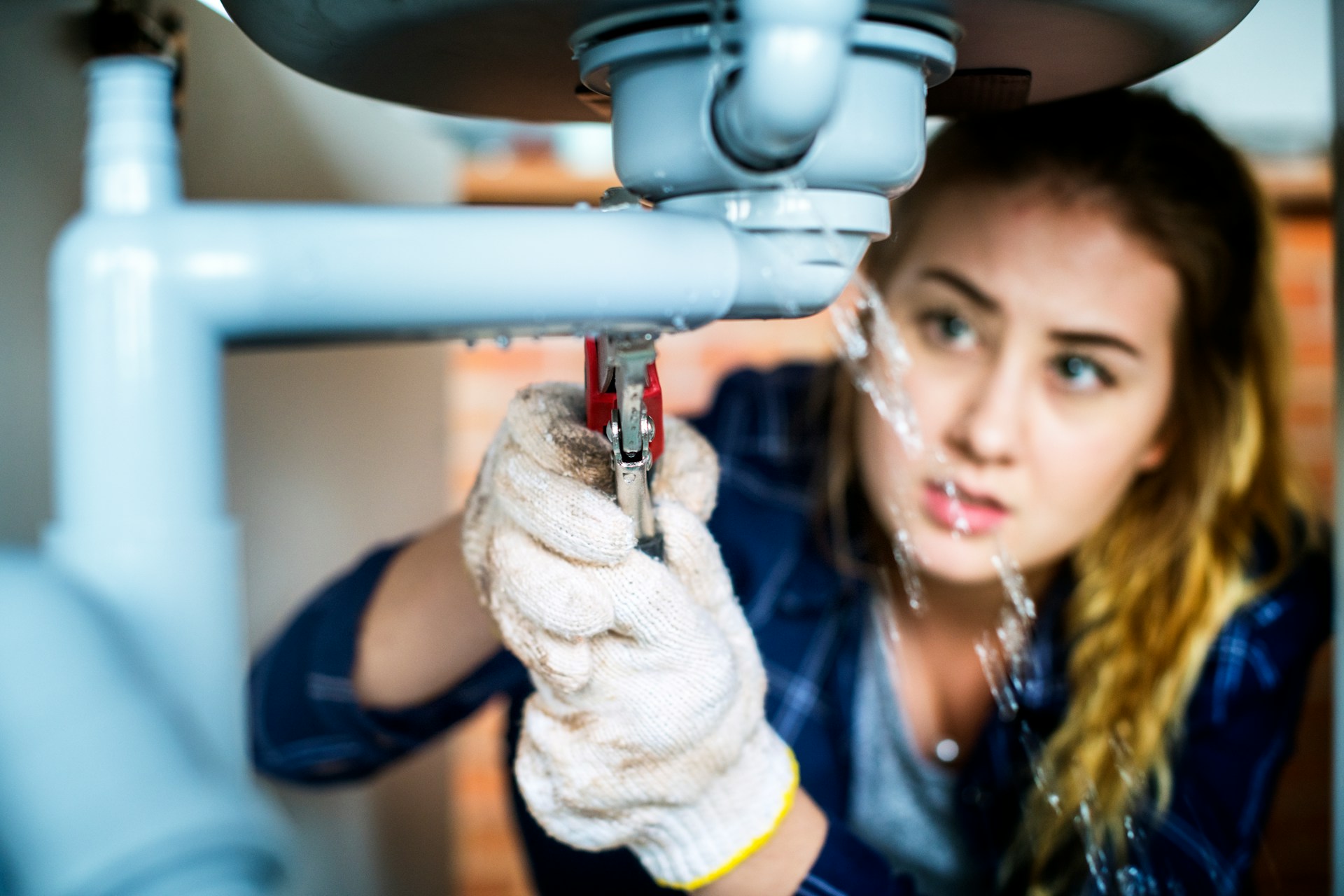
It doesn't take much for a small plumbing issue to turn into something much bigger. A drip under the kitchen sink, a damp spot near the baseboard, or a strange sound in the wall can all feel minor in the moment. We all get busy, and it's easy to forget or put it off. But every time we fix a leak early, we know how much worse it could have been if we hadn't.
Spring is when many homeowners are cleaning up after winter, turning the water back on outside, or hosting friends again. It's also when those little hidden problems can suddenly show up. We recently handled a situation where one slow drip could have caused major damage if the homeowner hadn't noticed when they did.
It all started with a damp patch inside a kitchen cabinet. Nothing big, just enough to make the wood feel a little soft. The homeowner wasn't sure what caused it, and at first, they thought it might have been a one-time spill. But the next week, their water bill looked higher than usual, even though their usage hadn't changed much.
There were no puddles, no spraying water, and no obvious noise. Just a faint trickle somewhere in the background and that soft spot inside the cabinet. That's all it took to know something was off.
Small leaks like this don't always show up clearly at first. Here are a few signs to look out for:
The sooner these signs are noticed, the easier it is to stop things from getting worse.
If that leak had gone unnoticed a few more weeks, it could have turned into a much bigger problem. Hidden water can weaken drywall, rot wood, and invite mold into places where it's hard to reach. Pipes under pressure, especially with springtime water use starting back up, don't always give much warning before they burst.
Changes in the season matter more than people think. In spring, warmer temperatures can shift plumbing tucked behind walls. That movement, mixed with increased water demand, adds extra stress. A slow leak might suddenly become more than your plumbing can handle.
Waiting too long to fix a leak could lead to:
Catching it early means you're not dealing with cleanup, wall repair, or ruined furniture. It's one of those cases where a little attention saved a lot of hassle.
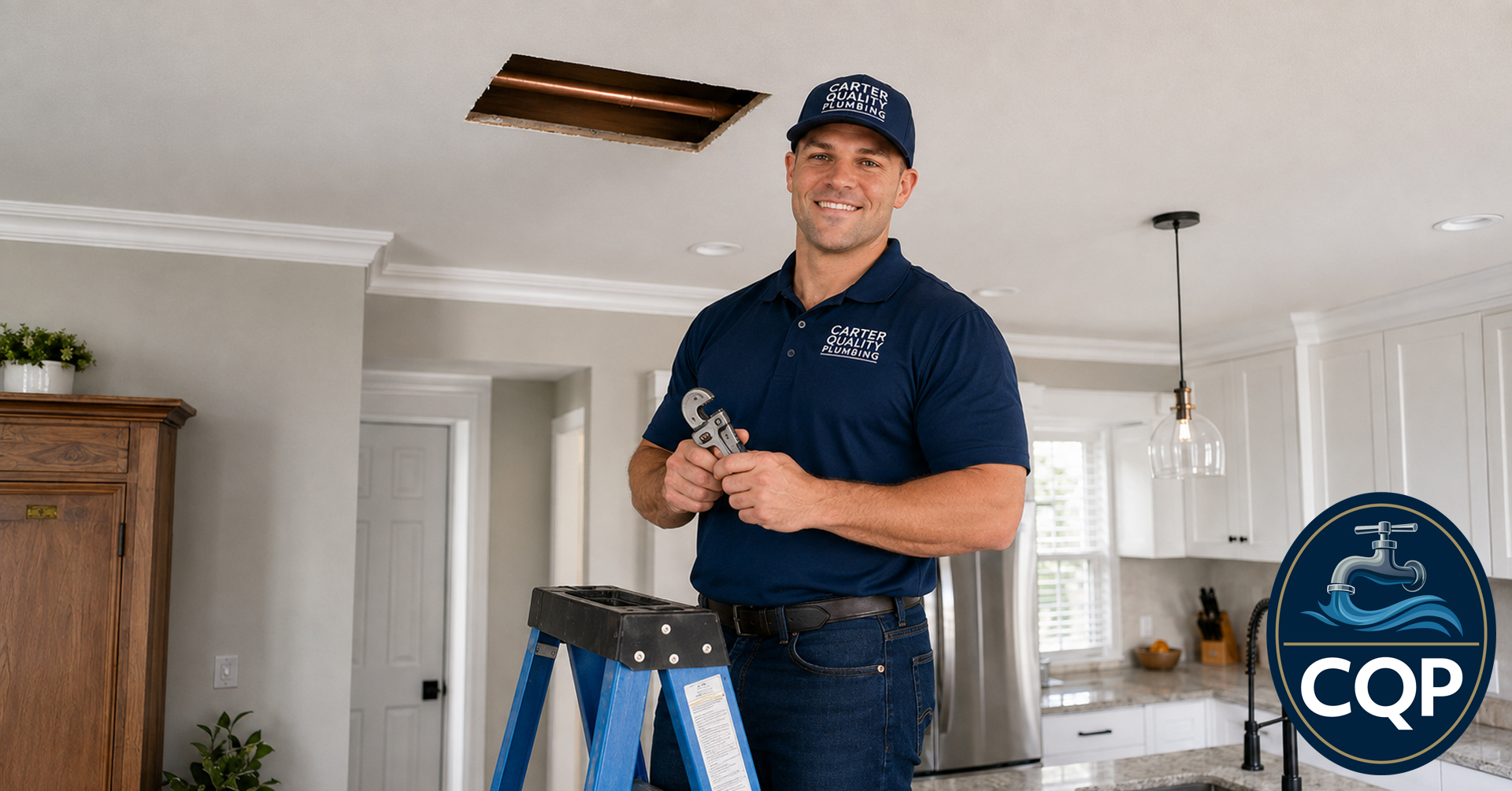
When we arrived, the signs were still pretty subtle. No obvious break, no standing water, and no mold yet. But we took our time and traced the moisture from the cabinet base to a pipe running behind the wall. We could see signs of corrosion forming on a section of copper pipe that had been slowly wearing away.
It wasn't just the pipe either. Right around one of the joints, the wall showed signs of weakening. If it had stayed wet much longer, that piece of drywall would've needed replacing. We also found that the pipe in question didn't have great support, which may have caused more movement than normal when the water was turned on and off.
Finding these things early matters. Homeowners might only see a few drops, but we're trained to notice when something small means something bigger might be starting. Getting to the source quickly can make all the difference.
Once we uncovered the problem area, the fix was pretty straightforward. We didn't have to cut into multiple walls or pull out large pieces of pipe. Instead, we isolated the failing segment and replaced a small section around the worn joint. After drying the area and supporting the pipe better, the water flow returned to normal, and no other damage was found.
What helped was timing. That fix, a short section of pipe and some support, was enough to stop the leak completely and prevent future problems in that area. When repairs happen before the water spreads, they're cleaner and simpler.
Fixing a leak doesn't just patch what's dripping. It keeps pressure off other parts of the system, protects finishes like cabinets and flooring, and helps avoid emergency visits down the line.
This was one of those times when the right move early made everything easier. One small patch of damp wood turned out to be the clue that saved an entire pipe from bursting. If it had waited another month or two, things would have taken a very different turn.
Spring is a perfect time to stay alert. As outside temperature shifts and indoor systems start picking up, weak spots in older plumbing tend to show themselves. Paying attention to even the smallest signs, like a new noise, a soft patch in the cabinet, or an unexpected bump in the water bill, can go a long way.
The next time something seems a little off, don't brush it aside. Stepping in to fix a leak now might be the thing that saves your home from bigger trouble later. And it always feels better to catch something early, before the floors are wet and the repairs start stacking up.
Don't let a small drip turn into a big disaster this spring. At Carter Quality Plumbing, we're here to help you fix a leak quickly with our expert plumbing services. Stay proactive and give us a call when you notice the first signs of trouble. Our team is ready to ensure your home remains safe and dry, preventing costly repairs down the road.