

How Often Should You Flush Your Water Heater?
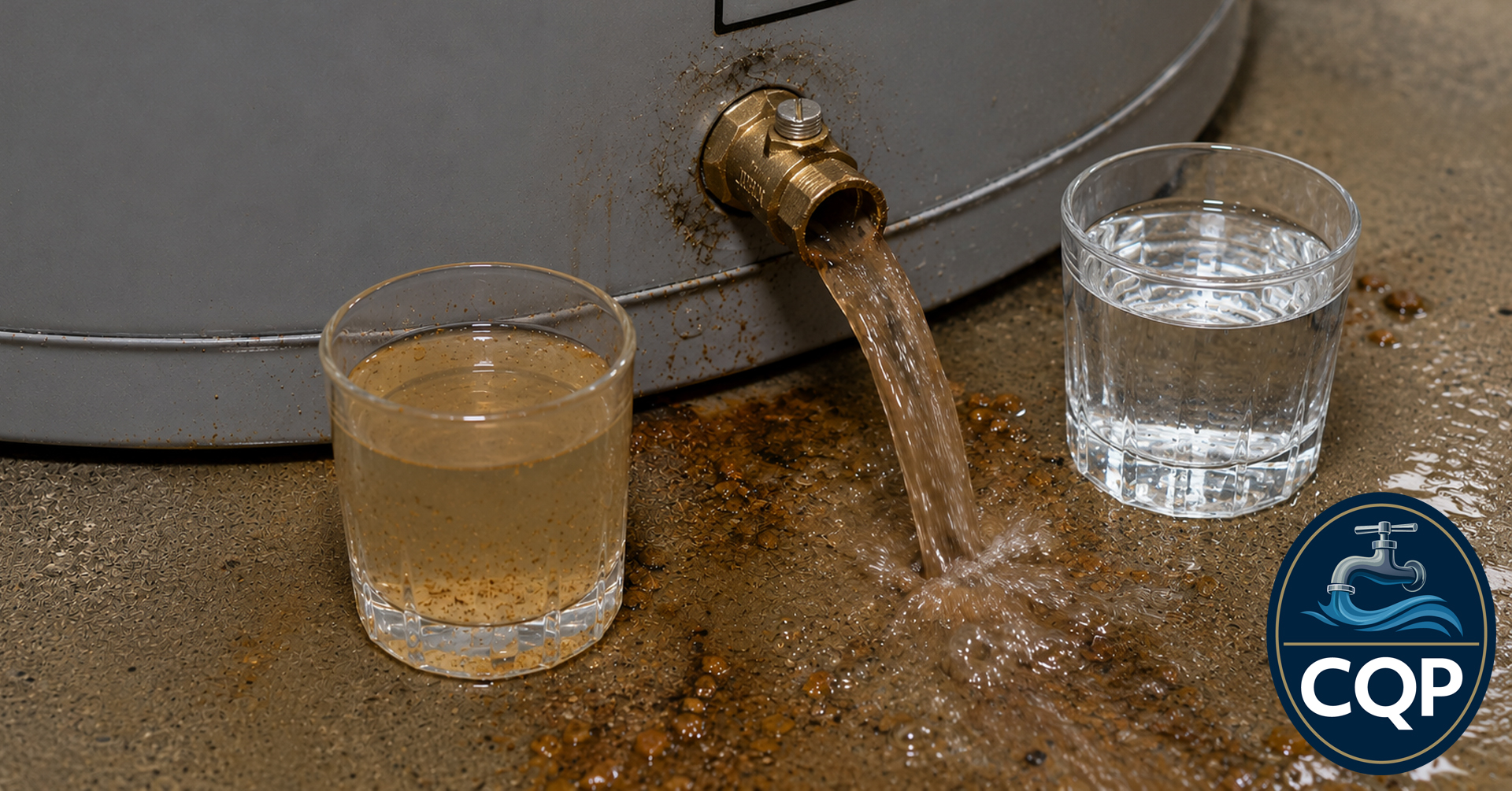
You should Flush Your Water Heater regularly to remove sediment, protect performance, and prepare for increased seasonal demand.
.jpg)


Spring yard work is a big part of the season for many homeowners. Mowing the lawn, planting flowers, and freshening up outdoor spaces help get everything looking and feeling clean again. But while we're focused on what's above the ground, it's easy to forget what's under it. Your well tank can be quietly affected by all that outdoor activity.
As the weather warms up and water usage climbs, your well system may start to feel the strain. If you've noticed drops in pressure, spitting faucets, or changes in how your water behaves, this could be a sign that something deeper needs attention. Sometimes, all that extra activity outside adds stress to the system inside. That's when a well tank replacement might be worth thinking about.
A lot of outdoor chores that come with spring can put stress on your well setup, even if you don't see it happening. As the work outside picks up, so does your system's workload.
None of these tasks are bad. In fact, they help keep your space in great shape. But they do make it more likely that your well system shows signs of wear, especially if it's been in place for a while. Many homeowners don't realize that all these separate activities can add up, causing more demands on the water system than expected. When you're outside for hours tending to your yard, running hoses and sprinklers, or fixing up flowerbeds, the increased water flow and ground disturbance can put more pressure on your well equipment.
Each spring, as people look to improve their yards or repair damage from the winter, they often make changes that affect buried pipes or the tank itself. Digging in the wrong spot or running a heavy mower too close to covered components can weaken things without anyone noticing. The combined effects can result in your well tank showing wear or losing efficiency.
Along with your yard work, spring brings changes in temperature and soil conditions that can affect how your water flows. These small changes add up faster than most people expect.
All these shifts change the way water moves through your system. If your well tank is older or hasn't been checked in a while, a weak spot might reveal itself. That's often when low pressure or pumping issues begin to show up.
Spring doesn't just bring more yard work; it also brings more challenging conditions underground. When soil thaws out or gets soaked after heavy rain, it can put extra weight on water lines and fittings. Tree roots, which grow faster after winter, might move closer to underground pipes, searching for moisture. Each time temperatures jump up or drop down, pipes and tank parts can shift, slowly putting extra stress that builds over weeks.
Your well system depends on steady ground and controlled conditions to work well. When the earth around it moves, parts can start to rub, stretch, or be pulled apart at connections. These shifting conditions mean that water flow can become less reliable, and what worked fine in the winter might act up once spring arrives. Noticing changes in how water comes from your taps in early spring is often the first clue that your system needs some attention.
It's not always obvious when something is going wrong. Some early warning signs can seem small or easy to ignore. But small problems after outdoor work are worth a closer look.
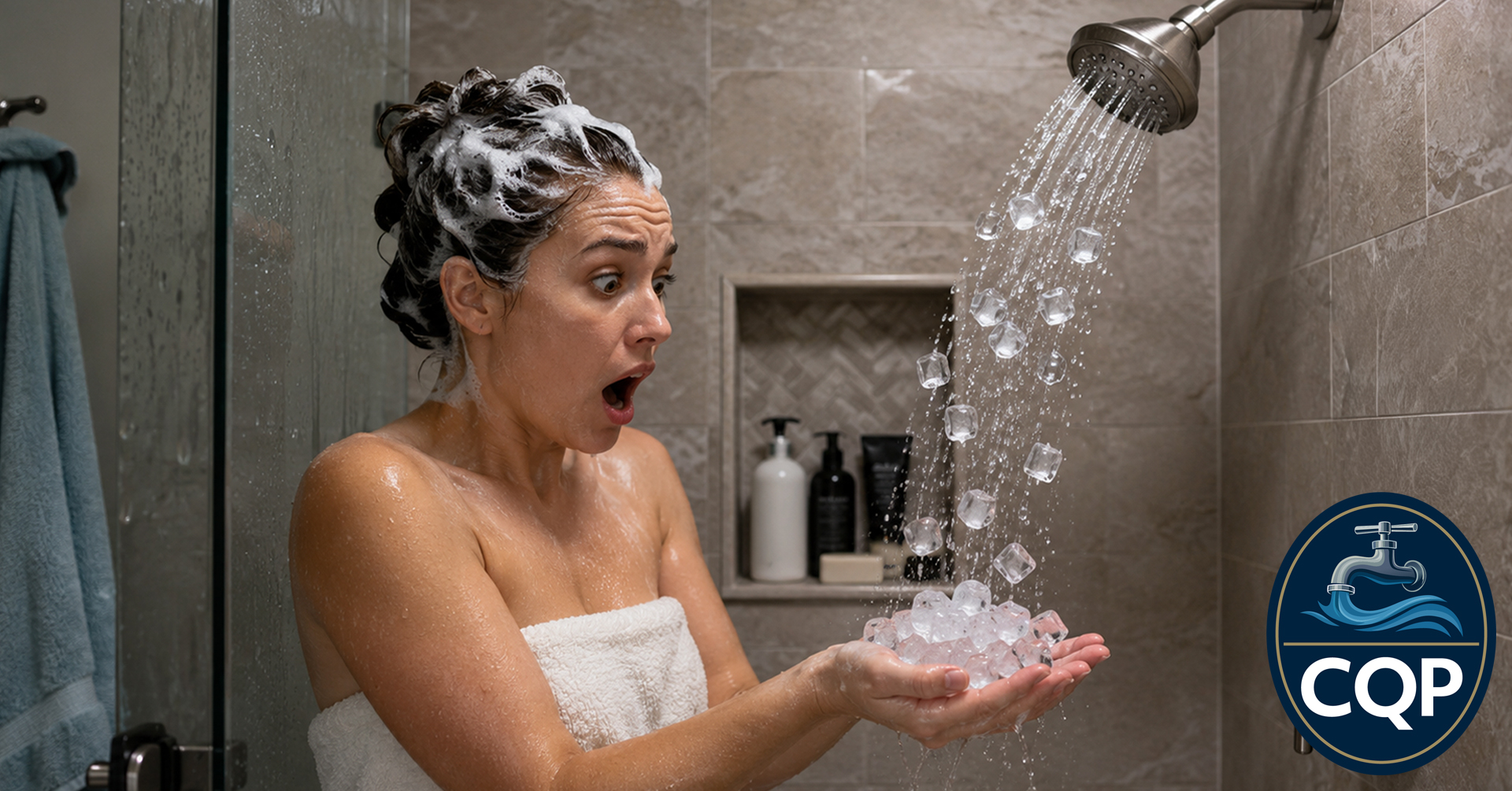
After a full day working in the yard, you shouldn't have to worry about whether your water will be steady or if your shower pressure will hold. Changes like this could mean hidden damage or wear that happened quietly over time. If left alone, these signs can grow into more costly problems.
If you start to notice these changes right after a busy weekend of yard projects, don't ignore them. Low water pressure may feel like a minor annoyance, but it's often a sign that the well tank and pump are having trouble keeping up. Spitting faucets or pipes that rattle could indicate air getting into the line, which sometimes happens if there is a small leak or the tank isn't holding pressure well. Moisture around the base of the tank isn't just a cosmetic issue; it can point to rust or very slow leaks that'll get worse.
Bigger issues start with small hints like these. Early signs can appear right after yard work that seems harmless. Maybe pressure is slow to recover after filling a pool or watering a new garden, or a once-silent pipe has started to hum. These changes can come and go but should be treated seriously when they appear in spring.
As you tackle outdoor fixes, you might unknowingly uncover issues that need more than a quick cleanup. It's not unusual to notice rust around the pressure tank or realize that something sounds different in the pipes. Those little signs may be pointing to an older system that's reaching its limit.
Carter Quality Plumbing provides well tank repair, replacement, and maintenance for homes in Anne Arundel, Maryland. Our team offers 24/7 emergency plumbing service and complete well services, so you don't have to wait if something needs attention.
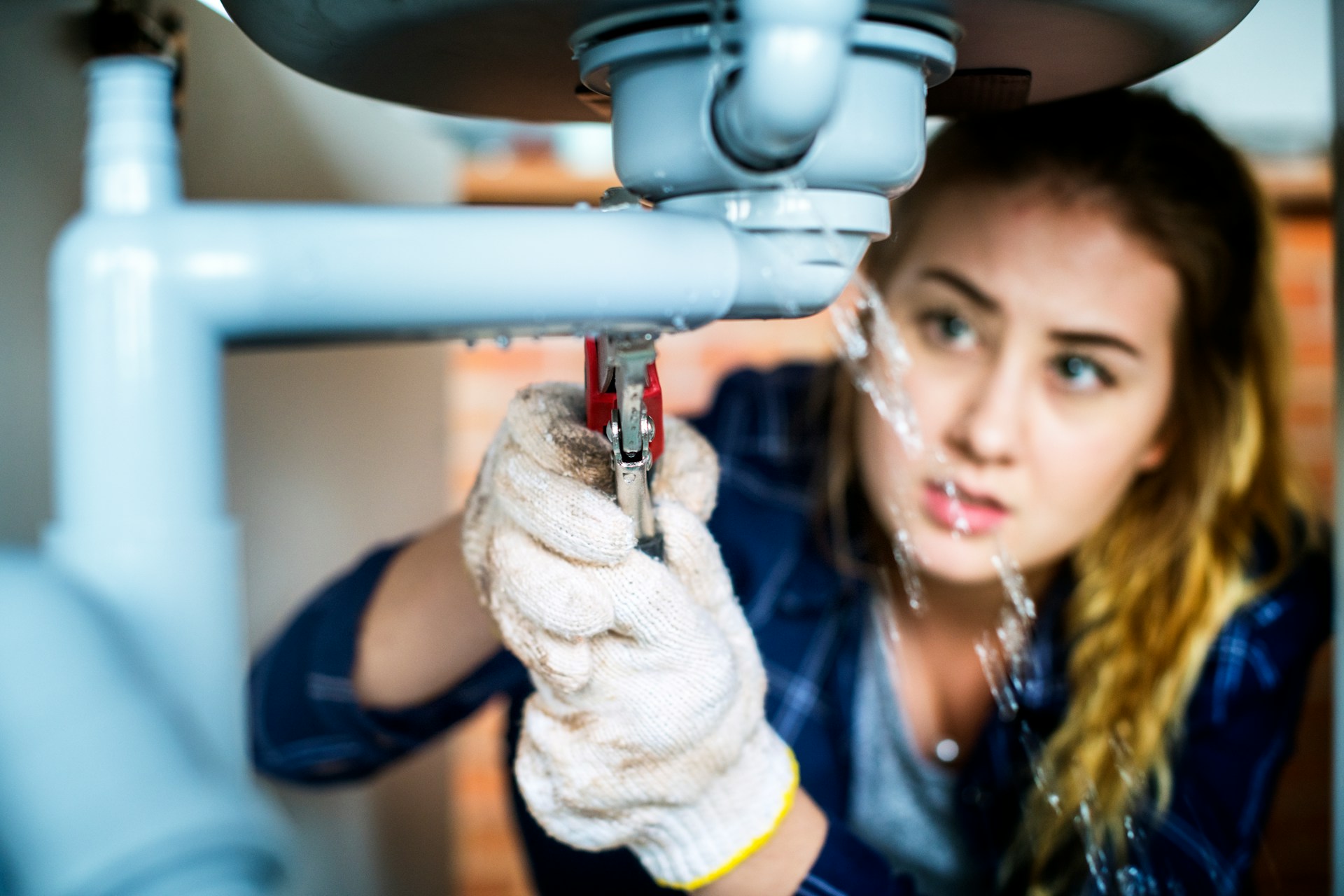
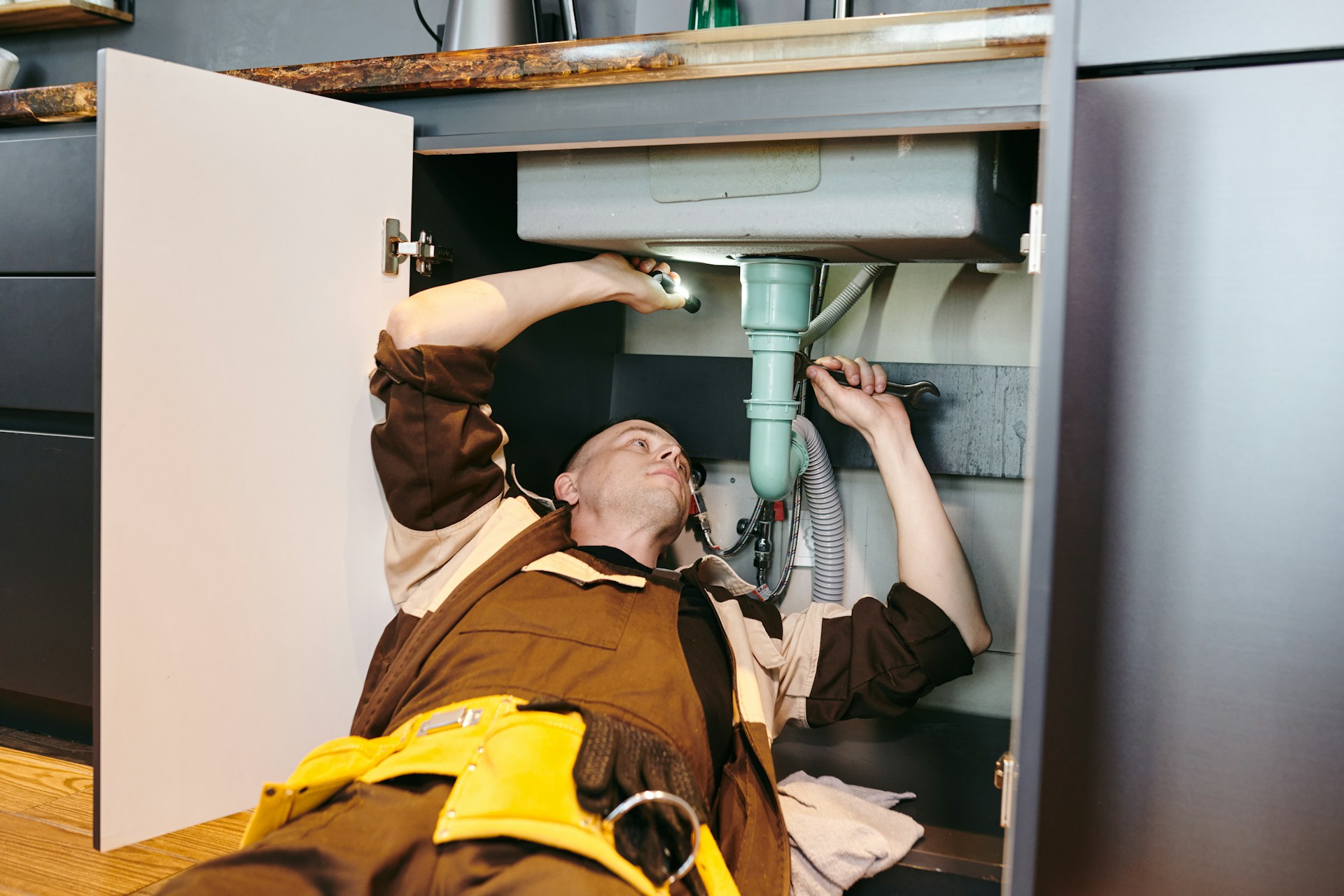
Having a professional take a look can help figure out whether you're dealing with a minor repair or if your system could benefit from a well tank replacement instead. Either way, it's better to catch problems early before summer activities push your water system even harder.
If you discover a small amount of rust or an odd noise from the pressure system, it's usually a good idea to have someone check things out before a small issue turns into a major headache. Spring is when most people use more water as they clean decks, fill kiddie pools, or plant seeds. Each time the water system is pushed harder, old parts are put to the test. The sudden demand can reveal worn valves, creaky pumps, or tanks that aren't maintaining pressure, even if everything seemed fine in colder months.
A well system that's over ten years old can have slower recovery times or less reliable pressure. As water use rises, these parts may struggle to keep up. Ignoring warning signs might save time in the short run but can risk much bigger repairs if a tank fails or leaks worsen. That's why a quick spring check can be so important for keeping everything running smoothly through the year.
When spring picks up and yards come back to life, our water use follows right behind. Whether it's rinsing muddy boots, running sprinklers, or washing windows, our wells see more action. That's why this season is a good time to take notice of anything that feels a little off.
If your daily water routine starts feeling different, don't just brush it off. A small dip in pressure or a tank that looks rusted could be the first signs of a bigger issue. Taking some time now to keep an eye on your system helps make sure water will keep flowing strong through spring and the hot days ahead.
Does your well system feel the strain from increased spring activity? If you’ve noticed lower water pressure or visible rust on your tank, it might be time to consider a well tank replacement. At Carter Quality Plumbing, our team is here to ensure your well system keeps up with your busy schedule. Reach out today and ensure your water flows smoothly through the warm months ahead.