

How Often Should You Flush Your Water Heater?
You should Flush Your Water Heater regularly to remove sediment, protect performance, and prepare for increased seasonal demand.
.jpg)


Many homes use well water every day without thinking twice about what's behind the flow. At the center of it all sits the well tank. It keeps water pressure steady and helps your pump cycle on and off properly. But like anything mechanical, these tanks wear out over time. The tricky part is, you don't always get a clear warning before something starts to go wrong.
During colder months, when we're inside more often and using extra water for heat-related needs or indoor cleaning, weak spots in older tanks tend to show. If your water pressure drops, your pump won't stop running, or your tap water doesn't look right, those could be signs it's time for a well tank replacement. Let's talk about what to look out for before the trouble gets worse.
A well tank isn't supposed to be noisy. In fact, most of the time it should just quietly do its job. If you're starting to hear unfamiliar sounds, it's probably a sign something's off.
These sounds can be easy to ignore, especially when the water still flows. But they don't usually go away. The longer they're around, the more likely they'll lead to bigger performance issues.
Nobody wants to hop in the shower or run a faucet only to find weak water flow. A steady loss in pressure is one of the most common signs that something's not quite right with your well system.
It's tough to enjoy daily tasks when you can't count on your water pressure. If the tank isn't holding up, the entire system feels the strain.
Your well pump should only run when it's needed. When it's turning on and off nonstop, that's a sign the well tank isn't holding up its end anymore.
Not only is this frustrating to deal with, but it also puts stress on the whole system. Letting the pump run too much for too long can turn a tank problem into something even more expensive and inconvenient.
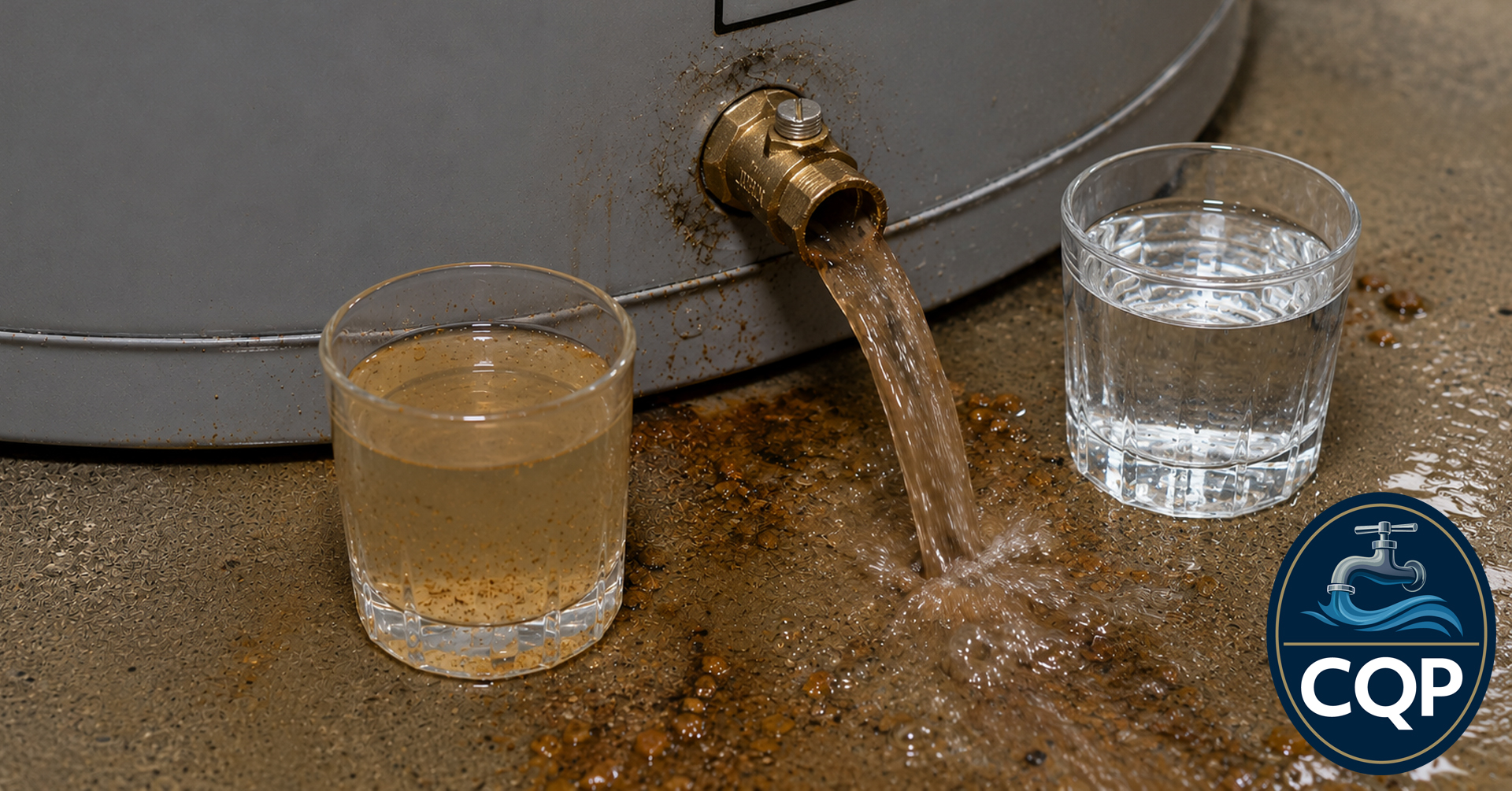
Clear, clean water should be something we can always count on. If your sink or tub starts filling with brown or yellowish water, it's time to pay attention.
This problem doesn't just look or smell bad, it can start affecting how you cook, clean, and bathe. The quicker it's addressed, the better.
Even if everything seems to be working fine right now, an aging well tank can still give out without warning.
Old tanks are more likely to fail during winter, when usage is higher and freezing temps add extra stress. Staying ahead of tank age can save you from having to deal with a surprise problem at the worst possible time.
Cold weather tends to bring hidden problems to the surface. When a well tank is near the end of its life, pressure changes, pump trouble, and water quality issues can appear back-to-back. What starts as strange noise or slower flow can quickly grow into a shutdown you weren't prepared for.
Carter Quality Plumbing offers well tank replacement, service, and repair in Anne Arundel, Maryland, for both homes and businesses. We have provided local well services since 2001 and offer 24/7 emergency plumbing solutions.
Don't wait for your well tank to give out at the worst moment. If you're experiencing pressure drops, strange noises, or discolored water, it might be time for a well tank replacement. At Carter Quality Plumbing, we’re dedicated to ensuring a steady water supply all winter long. Reach out to our expert team today to assess your system and keep your home's water flowing flawlessly.