


Why Does My Hot Water Run Out Quickly?
Does your Hot Water Run Out before everyone finishes showering each morning? That frustrating problem can disrupt your entire household routine.
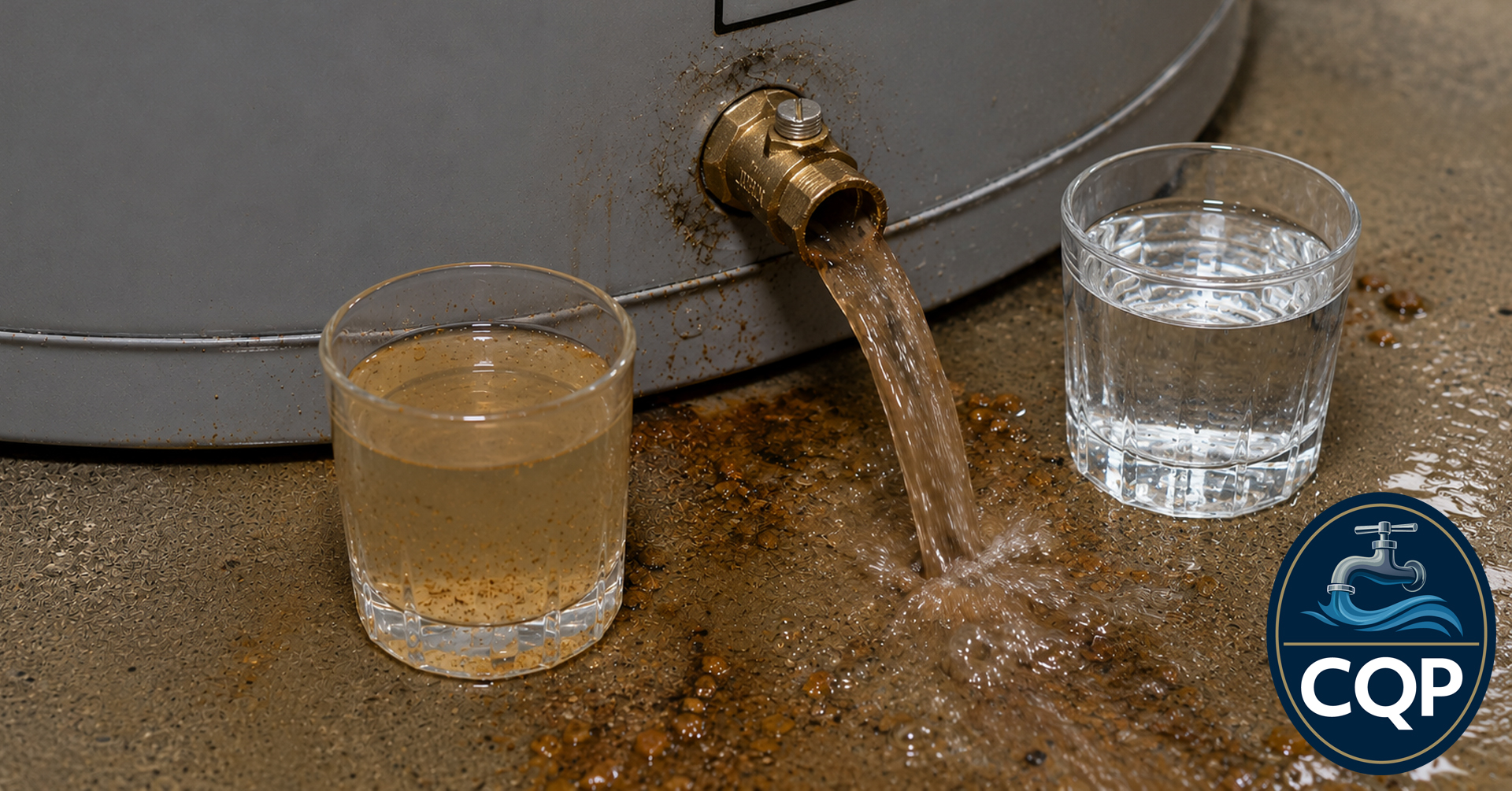


You should Flush Your Water Heater regularly to remove sediment, protect performance, and prepare for increased seasonal demand. Sediment can reduce efficiency, limit capacity, and create unusual noises. However, flushing an older tank without inspection may cause problems.
Understanding the process helps you decide when maintenance makes sense. It also shows when professional service offers the safer option.
Flushing drains water and loose sediment from the bottom of a traditional water heater tank. Fresh water then helps carry debris outside. This process removes minerals, sand, and other material that have settled inside the unit. It can improve heat transfer and overall performance.
However, flushing does not repair corrosion or restore a damaged tank. Maintenance cannot reverse every problem caused by age or neglect.
Your water supply naturally contains dissolved minerals. Those minerals can separate from the water as temperatures rise inside the tank. Heavier particles eventually settle along the bottom. Over time, they form a layer between the water and heating source.
Water conditions vary throughout Annapolis and Anne Arundel County. Municipal supplies and private wells may contain different mineral concentrations. Even treated water can leave sediment behind. Meanwhile, well water may introduce additional minerals or fine particles.
Your water source, usage, temperature, and maintenance history affect the buildup rate.
Households often use more hot water as temperatures fall. Longer showers, colder incoming water, and holiday guests increase demand. Your water heater must also work harder during colder months. Incoming water requires more energy to reach the desired temperature.
As a result, existing performance problems can become more noticeable in fall and winter. A struggling unit may take longer to recover between showers. Scheduling maintenance before colder weather provides time to correct those problems.
Sediment creates a barrier between the heat source and stored water. That barrier makes the system work harder. Gas water heaters must transfer heat through the tank’s sediment-covered bottom. Electric elements may become coated with mineral scale.
Either problem can increase operating time. Longer heating cycles generally use more energy and place additional stress on components. This extra work may contribute to rising utility bills. However, several household factors can also affect energy costs.
Flushing may restore efficiency if loose sediment is the cause. Severe mineral scale could require additional professional service.
Popping, crackling, or rumbling sounds often indicate sediment buildup. Water can become trapped beneath or within the accumulated material. As trapped water heats, bubbles push through the sediment. This movement creates the unusual noises homeowners hear.
Occasional sounds do not automatically mean the tank has failed. Still, loud or worsening noises deserve professional attention.
Ignoring those warnings may reduce performance or damage components.
Sediment occupies space that should hold heated water. As a result, a 50-gallon tank may provide less usable capacity. You might notice shorter showers or rapidly changing temperatures. Family members may also compete for a limited hot-water supply.
Recovery time measures how quickly the unit replenishes heated water. Sediment can slow that process. The heating system must push energy through accumulated material. As a result, the tank heats fresh water more slowly.
Delayed recovery becomes especially noticeable during busy mornings. Consecutive showers may leave the final person with lukewarm water.
Electric water heaters commonly use upper and lower heating elements. Mineral scale can coat those elements and interfere with heat transfer. Eventually, an element may overheat or fail. The household might then receive only a small amount of hot water.
Gas models use burners beneath the tank. Heavy sediment forces the burner to run longer and may overheat the tank’s bottom. Excessive heat and repeated cycling create unnecessary wear. Regular maintenance can reduce that strain before damage becomes severe.
Routine flushing may help a healthy water heater last longer. Removing sediment reduces stress on the tank and heating components. Maintenance also allows a plumber to identify developing problems. Early repairs can prevent smaller issues from becoming expensive emergencies.
However, flushing cannot guarantee a specific lifespan. Water quality, installation, usage, and equipment quality also influence longevity.
Many traditional water heaters benefit from annual flushing. However, the ideal schedule depends on your household and water conditions. Homes with heavy usage may need more frequent attention. Private wells or mineral-heavy water can also accelerate accumulation.
Review the manufacturer’s maintenance recommendations for your model. Carter Quality Plumbing can suggest a schedule after inspecting the unit.
Tankless water heaters do not store large volumes of water. Still, minerals can accumulate inside their heat exchangers. Tankless maintenance usually involves descaling instead of draining a storage tank. This service circulates a cleaning solution through the system.
The proper schedule depends on water quality and household usage. Neglected scale can reduce flow, efficiency, and heating performance. Following the manufacturer’s instructions can also help protect the equipment and warranty.
An older tank without a maintenance history requires special care. Sediment may hide corrosion or help seal weakened areas. Removing that buildup can reveal an existing leak. The flushing process did not cause the corrosion, but it exposed the damage.
A professional should inspect an older or neglected unit before draining it. Sometimes, replacing a severely deteriorated tank is the wiser decision.
A water heater combines very hot water, pressure, electricity, or gas. Mistakes can cause burns, flooding, or equipment damage. Homeowners must follow the correct shutdown and draining procedures. Electric elements can fail if they power on without enough water.
A garden hose may also release scalding water into an unsafe location. Sediment can clog the hose or drain valve. Additionally, a corroded drain valve may not close properly afterward. Plastic valves can crack or become blocked by debris.
Professional service avoids these risks while providing a complete equipment inspection.
Flushing should not be the only maintenance step. A plumber should examine several important components and connections. The anode rod helps protect the steel tank from corrosion. Because it gradually deteriorates, replacement may extend the tank’s useful life.
The temperature and pressure-relief valve provides an essential safety function. It releases pressure when conditions become dangerous. Rust near connections may indicate a slow plumbing leak. Likewise, moisture around the tank’s base deserves immediate attention.
Small leaks rarely improve without repairs. Prompt service may prevent water damage and an unexpected loss of hot water.
Flushing works best when loose sediment affects an otherwise healthy tank. It may improve noise, recovery times, and usable capacity. Routine service can also support efficiency and reduce component stress. The greatest benefits usually come from consistent maintenance.
Still, flushing will not repair failed elements, damaged thermostats, or leaking tanks. Those problems require professional repair or replacement.
Replacement often makes sense when the tank leaks or shows extensive corrosion. Frequent repairs can also make continued ownership expensive. An aging unit may operate less efficiently than modern equipment. It may also no longer meet your household’s hot water needs.
A plumber can compare repair costs, equipment age, and expected remaining service life. Larger tanks and tankless systems may provide better solutions.
If you need to Flush Your Water Heater, fall is an excellent time to schedule service. Maintenance prepares the system for increased winter demand. Carter Quality Plumbing serves Annapolis and Anne Arundel County with reliable, transparent plumbing solutions. Master Plumber Brian Carter founded the company around trust and dependable service.
Our team will inspect your water heater before recommending flushing, repair, or replacement. We will clearly explain the condition and available options. We also handle leaking pipes, drains, garbage disposals, fixtures, well tanks, and other plumbing concerns.
Contact Carter Quality Plumbing when you are ready to Flush Your Water Heater. We will help keep your plumbing dependable throughout every season.