

How Often Should You Flush Your Water Heater?
You should Flush Your Water Heater regularly to remove sediment, protect performance, and prepare for increased seasonal demand.
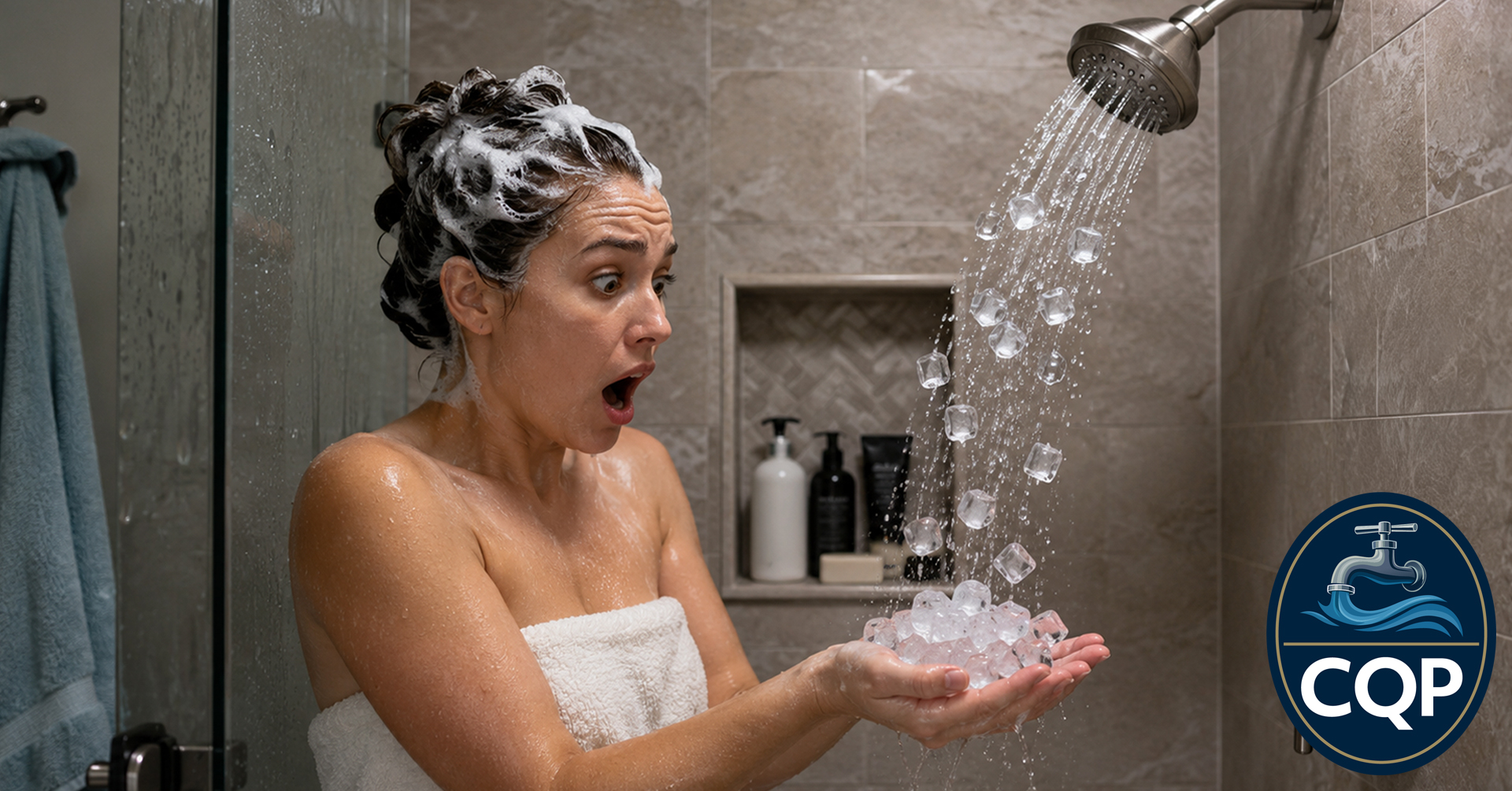


Does your Hot Water Run Out before everyone finishes showering each morning? That frustrating problem can disrupt your entire household routine.
Sometimes, the cause involves heavy usage or an undersized water heater. However, failing components and sediment buildup can also reduce performance.
Fortunately, a plumber can usually identify the problem and recommend a practical solution.
A traditional water heater stores heated water inside an insulated tank. Most residential tanks hold between 30 and 80 gallons. Cold water enters through a tube that directs it toward the tank’s bottom. Meanwhile, heated water rises toward the top.
Opening a hot-water faucet pulls heated water from the upper portion. Fresh cold water then enters the tank to be heated. Electric models use one or two heating elements. Gas models typically use a burner beneath the tank.
Every water heater needs time to warm the incoming cold water. Plumbers call this process the recovery rate.
Tank capacity tells you how much water the unit holds. Recovery rate measures how quickly it reheats that water. A large tank provides more stored hot water. However, a powerful smaller unit may recover faster than an inefficient larger model.
Both numbers matter when selecting a water heater. Your household’s peak usage should guide the decision.
Household needs often change without anyone reconsidering the water heater’s size. Children grow, relatives move in, and daily routines shift. A 40-gallon tank may comfortably serve two people. That same tank could struggle with a household of five.
Large soaking tubs and rainfall showerheads also increase demand. Therefore, fixture choices can affect the proper water heater size. If your hot water always disappears during normal use, capacity could be the problem.
Morning routines can push even a healthy water heater beyond its limits. Several showers may happen within a short period. Someone may also run the dishwasher or washing machine. Those appliances compete for the same heated water.
Consequently, your Hot Water Run Out problem might only appear during peak demand. Try spacing showers and appliance cycles apart. If that solves the issue, your unit may lack sufficient capacity or recovery speed.
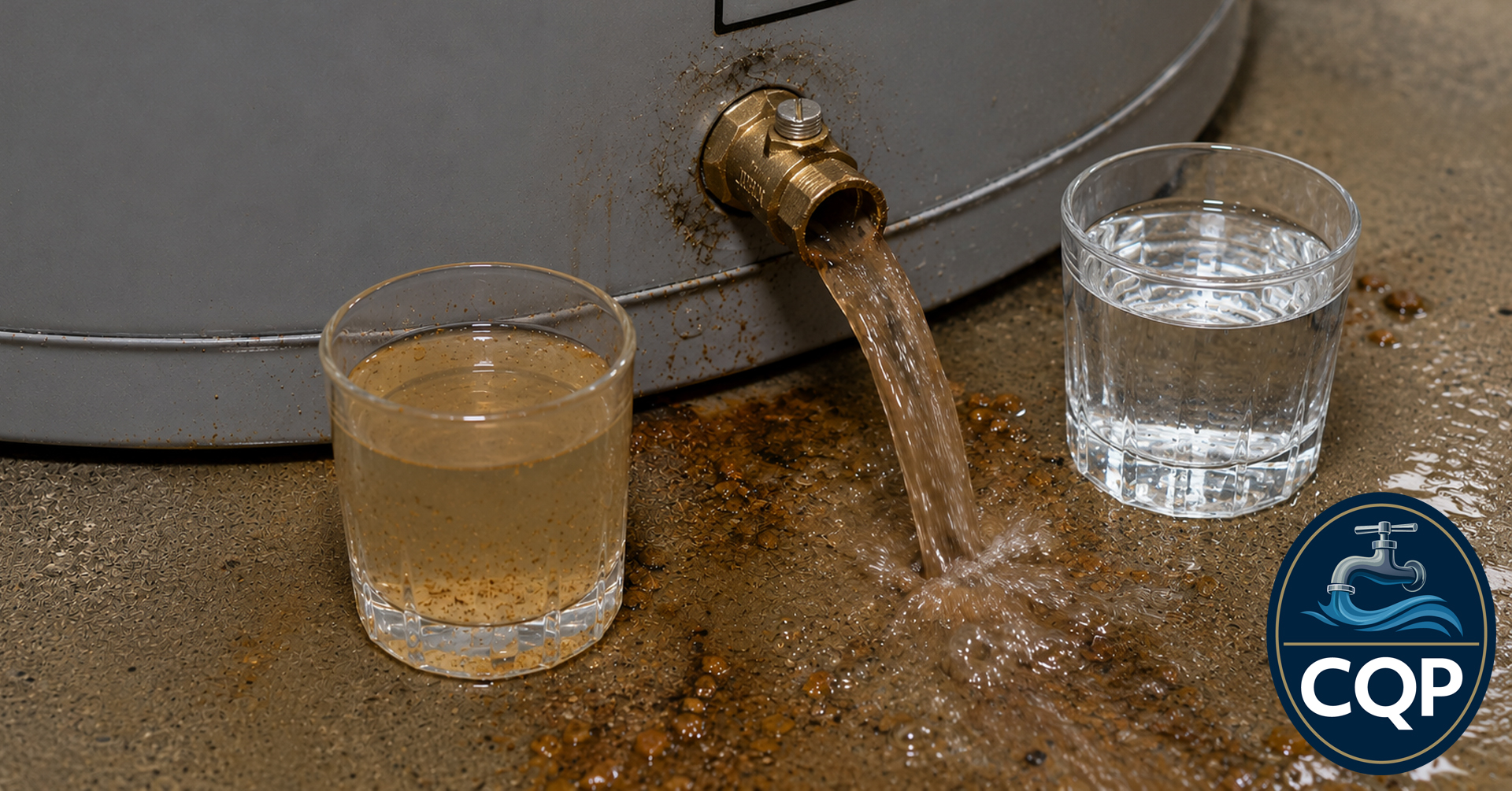
Minerals naturally enter your water heater through the water supply. Over time, those minerals settle along the tank’s bottom. Sediment takes up valuable space inside the tank. As a result, your 50-gallon unit may hold considerably less usable water.
Buildup can also interfere with heat transfer. The system must then work harder and longer to heat the water. Popping, cracking, or rumbling sounds may indicate sediment accumulation. Professional flushing can sometimes restore performance and improve efficiency.
However, homeowners should approach older tanks carefully. Disturbing severe corrosion or buildup can sometimes expose existing leaks.
The dip tube carries incoming cold water toward the tank’s bottom. This design prevents cold water from immediately mixing near the outlet. A cracked or deteriorated tube releases cold water too high inside the tank. Consequently, your shower may become lukewarm surprisingly quickly.
Older plastic dip tubes can sometimes break apart. You might even notice small plastic pieces inside faucet aerators. Replacing the dip tube may solve the problem without requiring a new water heater.
Electric water heaters commonly use upper and lower heating elements. Each element helps heat a different section of the tank. A failed lower element can leave only the upper section properly heated. You may receive some hot water, but not enough.
Faulty thermostats can create similar symptoms. The system may stop heating too early or operate inconsistently. Electrical testing can identify a failed element, thermostat, or wiring issue. Because high voltage is involved, professional diagnosis is the safer choice.
Gas models rely on a burner to heat the tank. Burner problems can dramatically slow recovery. A dirty burner may produce uneven or insufficient heat. Likewise, gas-supply issues can prevent proper operation.
Pilot light and ignition problems can also interrupt heating. Modern models may display an error code when something fails. Never attempt to modify gas components without proper training. Gas leaks and combustion problems require immediate professional attention.
Your water heater’s temperature setting directly affects comfort and safety. A low setting may not meet your household’s needs. However, turning the thermostat higher is not always the answer. Extremely hot water can cause severe burns within seconds.
Higher settings may also increase energy consumption. Additionally, excessive heat can place more stress on the system. Many households use a setting around 120 degrees. Your plumber can recommend a safe setting based on your equipment and household.
Some plumbing systems use a mixing valve to blend hot and cold water. This component helps deliver water at a safer temperature. When the valve fails, too much cold water may enter the mixture. Faucets can then produce lukewarm water despite a hot tank.
A plumber can test the valve and confirm whether it needs adjustment or replacement.
Hot water cools as it travels through your plumbing system. Longer distances create more opportunities for heat loss. This issue often affects fixtures located far from the water heater. Uninsulated pipes can make the temperature drop even more noticeable.
Pipe insulation may reduce heat loss and improve comfort. A hot-water recirculation system can also shorten frustrating waits at distant fixtures.
Traditional tank water heaters do not last forever. Corrosion, mineral deposits, and worn components gradually reduce their performance.
An older system may take longer to recover. It might also provide less hot water than it delivered years ago.
Rusty water, moisture around the tank, or recurring repairs deserve attention. These warning signs often indicate advanced deterioration.
A repair may make sense when the tank remains structurally sound. Replaceable parts include heating elements, thermostats, valves, and dip tubes. Watch for sudden temperature changes, unusual noises, error codes, or slow recovery. Visible leaks also require prompt professional evaluation.
If your Hot Water Run Out issue appeared suddenly, a failed component may be responsible.
Replacement becomes more practical when the tank leaks or shows extensive corrosion. Frequent breakdowns can also make continued repairs expensive. The age of your heater and its elements should also influence the decision. Investing heavily in an old, inefficient unit may only delay the inevitable.
A plumber can compare repair costs with replacement benefits. That comparison should include efficiency, reliability, capacity, and expected remaining service life.
A larger tank can help households with high peak demand. It provides more stored water for showers, laundry, and dishwashing. Still, proper sizing requires more than counting household members. Fixture flow rates and daily routines also matter.
Available installation space may limit your options. Electrical capacity, gas supply, ventilation, and plumbing connections can affect the final recommendation.
Tankless systems heat water as you need it. Therefore, they do not rely on a limited storage tank. When sized correctly, these systems can provide extended hot-water availability. They may also reduce standby energy losses.
However, tankless units still have flow-rate limits. Running several fixtures simultaneously can exceed the system’s heating capacity. Installation may require gas lines, venting, or electrical upgrades. Carter Quality Plumbing can explain whether tankless technology fits your household and budget.
Carter Quality Plumbing provides reliable, transparent plumbing solutions throughout Annapolis and Anne Arundel County. Master Plumber Brian Carter founded the company around trust and dependable service.
Our team can diagnose water heater problems and clearly explain your options. We never want homeowners guessing about important plumbing decisions. We also handle leaking pipes, garbage disposals, well tanks, fixtures, drains, and other plumbing concerns. Whether you need repairs or replacement, we can help.
Contact Carter Quality Plumbing when your hot water disappears too quickly. We will find the cause and recommend the right solution.