

Tankless vs. Tank Water Heater: Which Is Right for Your Home?
Your Tankless vs. Tank Water Heater decision should reflect your household’s routines, available space, and installation budget.
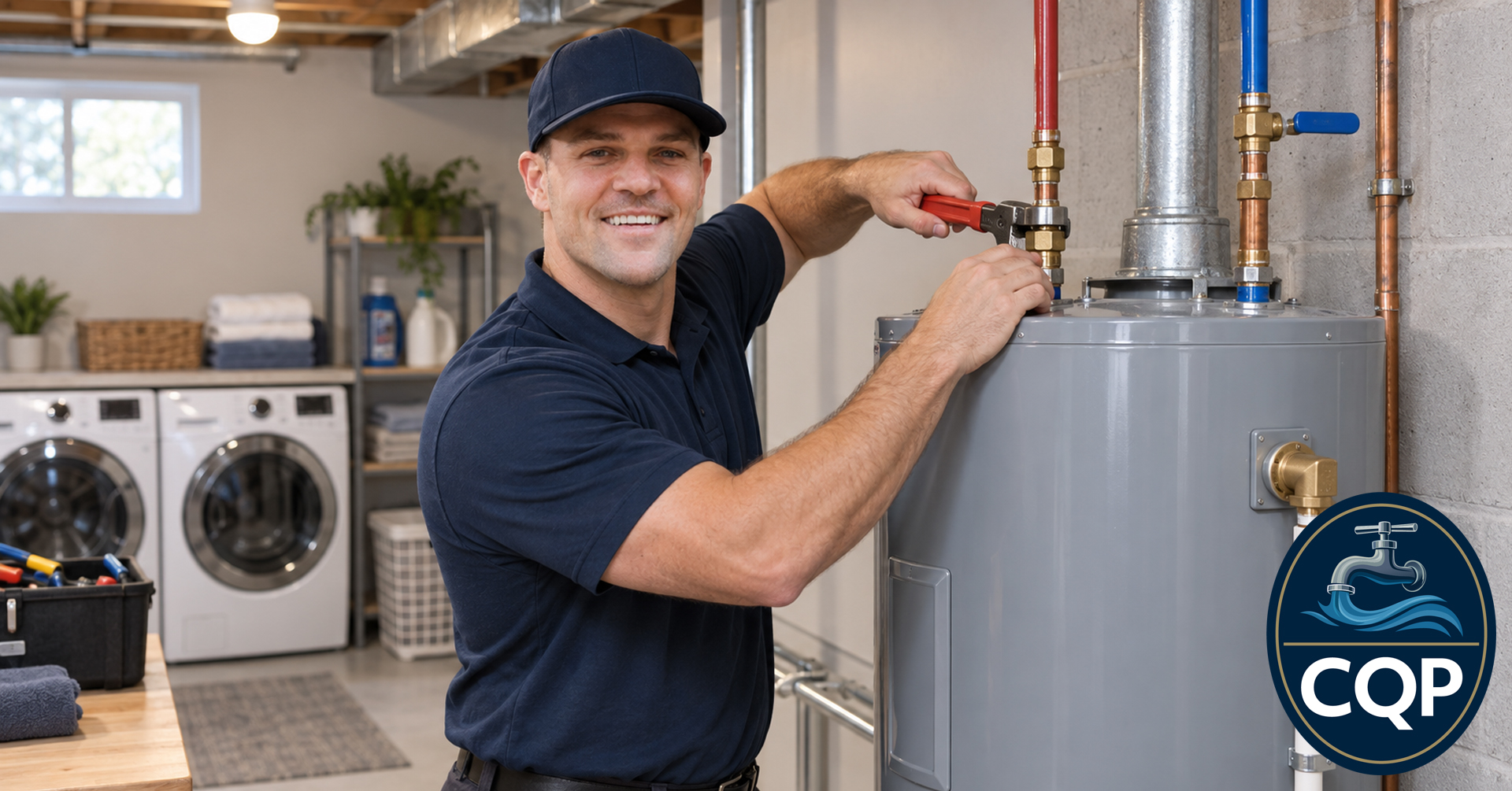


Water Heater Replacement Cost depends on your equipment, installation requirements, and the condition of your existing plumbing. When hot water disappears, you want a clear price and a dependable solution. However, two estimates can differ because they include different equipment or installation work.
Understanding those differences helps you budget confidently. For homeowners across Anne Arundel County, a detailed proposal should explain the complete project before work begins.
A useful price range describes a specific installation. Otherwise, comparing a basic tank replacement with a complicated conversion can create unrealistic expectations.
Are you looking at conventional tank replacement, tankless installation, or a heat pump installation? Additionally, identify whether labor, connection materials, permits, disposal, and cleanup are included. List additional plumbing repairs, relocation, or electrical upgrades separately when excluded. Ask which conditions could change the final price.
Retail prices usually cover equipment only, leaving installation expenses to be calculated separately. Your plumber must also disconnect existing equipment, prepare connections, install the replacement, and check its operation.
The job may also require fittings, valves, delivery, and disposal. Labor reflects the time and work needed for your particular installation. Consequently, comparing a store price with a complete contractor proposal rarely provides a fair comparison.
Request a detailed written breakdown whenever the scope feels unclear.
Conventional tank heaters store heated water for household use. Replacing one with a similar model often involves fewer changes when existing connections remain suitable.
Tankless heaters warm water as it flows through the unit. Although they save storage space, converting from a tank can require significant installation changes. Gas supply, venting, electrical connections, and mounting requirements all deserve attention.
Heat pump water heaters move heat from surrounding air into stored water. These models generally cost more upfront than conventional electric tanks, but they can reduce operating expenses. Installation planning must address airflow, room conditions, electrical requirements, and condensate drainage.
Compare the initial investment alongside expected energy use and maintenance.
Family size matters, but daily routines better reflect hot water demand. For example, simultaneous showers and laundry create different demands than staggered use.
A tank heater’s first-hour rating estimates delivery during an hour starting with a fully heated tank. Recovery performance describes how quickly equipment reheats incoming water. Together, those measures help determine whether a replacement can keep up.
Tankless sizing considers simultaneous flow and the required temperature increase. Colder incoming water increases that heating demand. Proper sizing helps avoid paying for unnecessary capacity or choosing equipment that struggles during busy mornings.
Your current fuel source influences water heater replacement cost. Keeping suitable gas, electric, or propane connections can simplify the project.
However, changing fuel sources may require new piping, circuits, or other supporting work. Natural gas and propane equipment must match the available fuel and manufacturer requirements. An existing gas line may also need evaluation when a replacement demands more fuel.
Similarly, some electric installations require circuit or panel upgrades. Your estimate should identify these needs and explain who performs the additional work.
A basement installation with clear access differs from equipment tucked inside a cramped crawl space. Narrow stairs, tight closets, and difficult removal routes can increase labor.
Relocating the heater adds further considerations. Plumbing, wiring, venting, and drainage may need extensions or rerouting. Even a replacement in the same location needs adequate clearance for installation and future service.
Discuss these conditions during the assessment so the proposal reflects the actual work.
Older connections and shutoff valves may need replacement during installation. Depending on the system, the project may also require thermal expansion control, a drain pan, or updated discharge piping.
Gas models need compatible venting and combustion air provisions. Electrical connections must also match the selected equipment. Your plumber should explain which updates apply and why they appear in the estimate.
Start by confirming which permitting authority covers your property. An Annapolis mailing address alone should not determine the jurisdiction.
Anne Arundel County requires plumbing permits to add or relocate fixtures and piping. Gas permits apply when you add or relocate gas appliances or piping.
Ask your contractor to confirm requirements for your specific replacement, including any electrical work. The proposal should name who obtains permits, schedules inspections, and pays applicable fees. Clarify whether those charges are included in the quoted total.
Replacement is not always the most economical response. A repair may make sense when equipment remains sound, and the fault involves a replaceable component. Conversely, a leaking storage tank generally requires replacement.
Consider equipment condition, previous repairs, and remaining warranty coverage before deciding.
When comparing proposals, check model numbers, capacity, installation scope, and exclusions. Manufacturer warranties and labor coverage can differ, so review both. Also, confirm removal, disposal, and cleanup before accepting an estimate. Written details help prevent unexpected charges and make competing quotes easier to evaluate.
Ask whether crews will protect flooring during removal and clean the installation area afterward. Those practical details matter when moving heavy equipment through finished rooms and shared living spaces.
Carter Quality Plumbing serves Annapolis and Anne Arundel County with reliable, transparent plumbing solutions. Founder Brian Carter brings experience as a Master Plumber and county native. His family-focused business understands the trust involved when someone works inside your home.
Contact Carter Quality Plumbing to assess your installation and discuss your water heater replacement cost. Whether you need water heater service, leak repairs, drain cleaning, or fixture repairs, start with a conversation about your needs.