

Water Heater Replacement Cost: What Anne Arundel County Homeowners Should Expect
Water Heater Replacement Cost depends on your equipment, installation requirements, and the condition of your existing plumbing.


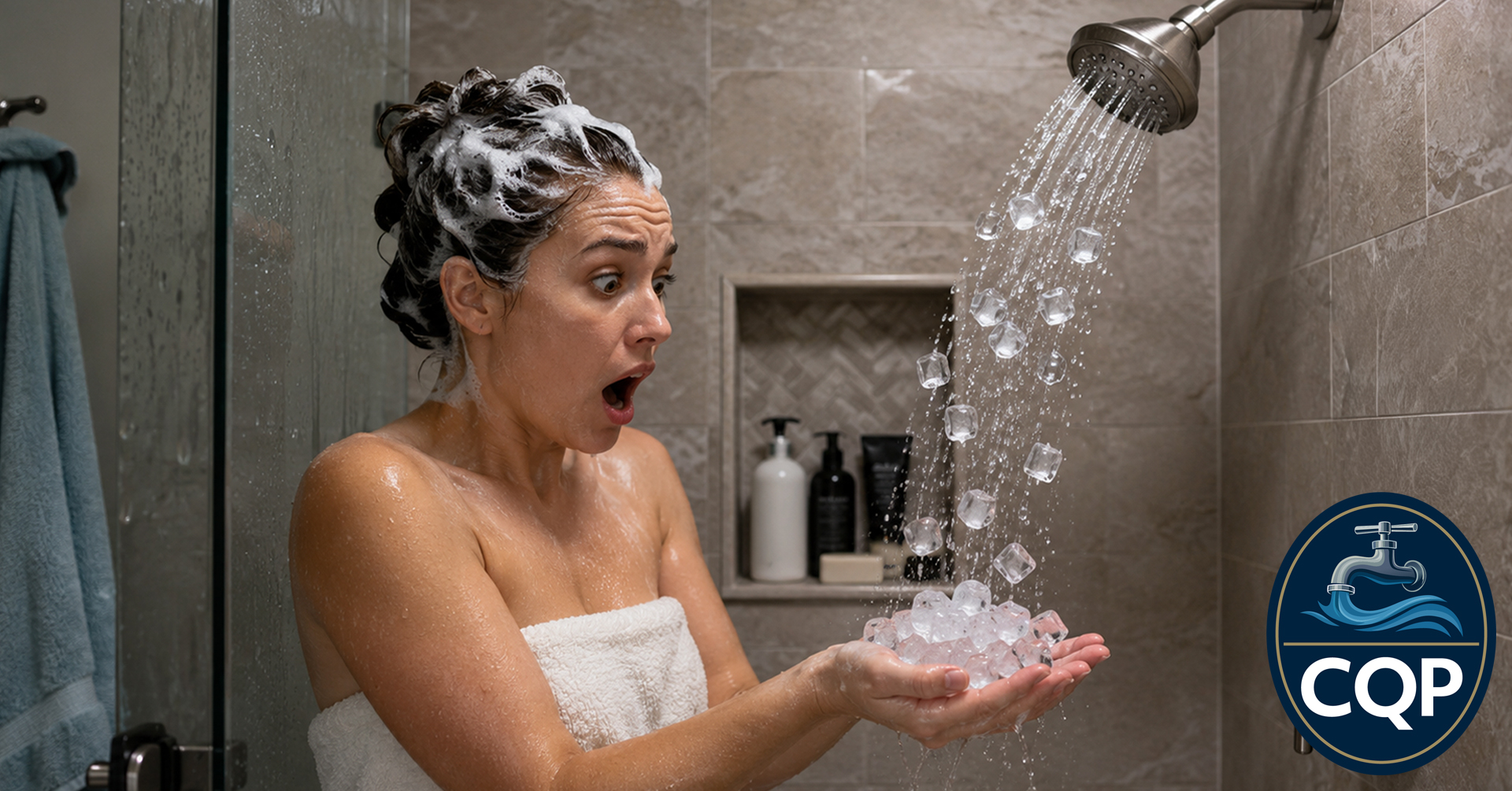
Your Tankless vs. Tank Water Heater decision should reflect your household’s routines, available space, and installation budget. Perhaps your showers turn cold, or your aging equipment needs replacement. Either way, choosing well starts with understanding how each option fits your home.
For Anne Arundel County homeowners, both systems offer advantages. The right choice balances today's comfort with installation costs and ongoing ownership expenses.
A conventional tank water heater keeps a stored supply hot and ready. As you use that supply, incoming cold water replaces it. The burner or heating elements then restore the temperature.
Tankless equipment heats water as it passes through a heat exchanger. Instead of maintaining a large stored supply, the unit activates when sufficient hot water flows through it.
Storage heaters offer familiar operation and often lower purchase prices. Meanwhile, tankless models offer compact equipment and continuous heating within their rated capacity.
Family size provides a starting point, but timing matters just as much. Two households with four people can have different demands.
Consider whether everyone showers back-to-back or uses multiple bathrooms at the same time. Large bathtubs, laundry cycles, and overlapping dishwasher use also affect demand. Sharing these details helps your plumber recommend equipment that supports your busiest periods.
For example, back-to-back showers challenge a tank’s stored supply and recovery. Running several showers together tests a tankless heater’s available output.
Tank capacity describes stored volume, while first-hour rating measures delivery over an hour beginning with a fully heated tank. Recovery speed also matters because it determines how quickly the heater replenishes usable hot water.
Tankless sizing considers gallons per minute and temperature rise. That rise means the difference between incoming water temperature and the desired outlet temperature. Your plumber calculates the combined hot water demand of fixtures likely to run at the same time.
Continuous heating does not mean unlimited simultaneous flow. An undersized system may restrict delivery or struggle to maintain the requested temperature.
During Maryland winters, incoming water can become colder, increasing the temperature rise your equipment must provide. As a result, a tankless unit may deliver fewer gallons per minute at the same outlet temperature.
Compare performance at the expected winter inlet temperature, rather than relying on the highest advertised flow rate. Proper planning helps keep winter showers comfortable when several fixtures compete for hot water.
A similar tank replacement often costs less when suitable connections already exist. However, the equipment price represents only part of the project.
Converting to tankless may require gas supply upgrades, new venting, electrical connections, and plumbing modifications. Whole-house electric tankless models can demand substantial electrical capacity. Condensing gas models also need appropriate condensate drainage.
Ask for proposals that identify equipment, labor, supporting modifications, and any required permits. Your Tankless vs. Tank Water Heater comparison becomes more useful when both estimates include the complete installation.
Conventional tanks lose some heat while storing hot water. Tankless designs avoid that storage loss, but savings depend on equipment efficiency and household habits.
Compare the actual models, local fuel prices, and estimated annual operating costs. Longer showers or heavier usage can reduce anticipated savings. Installation differences and maintenance expenses also affect how long an upgrade takes to justify its initial cost.
Heat pump water heaters also store hot water, but they move heat from surrounding air into the tank. These systems can use substantially less electricity than conventional electric resistance heaters.
However, installation must accommodate airflow, room conditions, and condensate drainage. Available operating modes and recovery performance also influence sizing. This option is worth considering if your home has suitable space and electrical service.
Tankless units often mount on walls and free up floor space. Nevertheless, installers still need suitable mounting locations, required clearances, and service access. Tank systems need enough room for their footprint and maintenance access.
Also, tankless equipment alone does not make hot water arrive instantly at every faucet. Water already sitting in the pipes must travel through first. Longer pipe runs can mean longer waits with either system.
Compatible recirculation arrangements can reduce waiting, although they add installation costs and potential energy use.
Both systems need attention throughout their service lives. Tank maintenance may include sediment flushing, safety checks, and anode inspection where applicable. Meanwhile, tankless equipment may need descaling and filter cleaning per the manufacturer's instructions.
Water testing helps determine maintenance needs. Municipal water and private wells can present different mineral levels, so avoid assumptions about your supply.
Tankless equipment may offer a longer service life, but maintenance and water quality influence actual results. Parts availability also affects future repair options. Compare warranty terms carefully, including component coverage, labor exclusions, and maintenance requirements.
Most modern gas tankless heaters need electricity for controls and ignition. Electric tanks and heat pump models cannot reheat water without power, although stored hot water may remain temporarily.
Some gas tanks operate without household electricity; others require powered controls or venting. Confirm the specific model’s requirements. Homes using electric well pumps also need power to supply water, regardless of heater type.
A limited budget and suitable existing connections may favor a conventional tank. Space constraints and consecutive showers can favor properly sized tankless equipment. Meanwhile, a suitable utility room may make a heat pump model attractive.
Carter Quality Plumbing serves Annapolis and Anne Arundel County with transparent, reliable plumbing solutions. Founder Brian Carter is a Master Plumber and county native who understands how important trust is at home.
Contact Carter for a Tankless vs. Tank Water Heater recommendation based on your infrastructure, usage, and budget. Whether you need water heater service, leak repairs, drain cleaning, or fixture repairs, talk with Brian about your household’s needs.