

How Often Should You Flush Your Water Heater?
You should Flush Your Water Heater regularly to remove sediment, protect performance, and prepare for increased seasonal demand.


Sometimes strange smells or odd sounds in the house can catch kids off guard. Maybe something smells weird in the kitchen or there's a hissing noise near the heater. It can be confusing or even scary. One of the reasons these things show up is when there's a problem with the gas line.
Even though kids don't need to fix anything themselves, it helps if they know what to look for and when to speak up. Just a little knowledge can go a long way in helping families stay safe. When everyone is on the same page, it makes it easier to handle things calmly.
If kids know what to do during a gas problem, they can make safe choices. It is helpful for every family member to have a plan and understand the basics, so no one feels unsure if something unusual pops up. Understanding gas safety helps build confidence, not fear.
The first step to staying safe is knowing what to notice. Gas doesn't have a natural smell, so a special scent, sort of like rotten eggs, is added to help people detect a leak quickly. That smell is one of the biggest clues that something is not right.
Other signs might include:
Gas can also make noises as it escapes from pipes or appliances. Even a small leak can make a hissing or whistling sound, especially close to the spot where the gas is escaping. Outdoors, leaking gas can leave patches of grass turning yellow or dirt blowing up in odd places. Sometimes you might even spot puddles bubbling or the soil moving near appliances connected to gas.
If kids ever notice one of these signs, they should never try to figure it out on their own. That is a job for grown-ups. What they can do is stay calm and tell an adult right away. Paying attention and speaking up helps take care of the problem faster.
It is also important to know that pets might act odd if there is a leak. If a family pet is restless, avoids a certain room, or keeps sniffing around an appliance, it could be a hint that something is not normal. Spotting these changes can give an extra layer of safety at home.
If things smell funny or start to feel weird, like getting dizzy, feeling lightheaded, or noticing a strong smell of gas, it is important to leave the area. Fast.
Here is what kids should remember to do in this situation:
Staying calm is key. When you get to a safe place, everything else can be figured out from there.
Moving quickly and quietly helps keep everyone safe. If several people are inside, remind everyone to exit together without grabbing extra stuff. Leaving doors open behind you allows fresh air to help clear any gas. When you reach a safe place, check that everyone who was in the house is together. Remind kids that playing hero or going back inside is never the right call.
If a gas smell is stronger outside, do not look around for the source. Choose a safe spot farther away until help arrives. If you live in an apartment or shared building, let a neighbor know about the smell so they can get out too. No matter what, the most important thing is getting clear of danger before worrying about anything else.
Even when nothing seems wrong, there are good habits to follow that help avoid danger. Lots of everyday items run on gas, kitchen stoves, fireplaces, and heaters, for example. That means kids will be around gas-powered things pretty often.
Here are a few safety habits to remember:
Learning to keep the space around stoves clear makes it easy to move if something does happen. Avoiding distractions, like not playing with toys in the kitchen, means kids are less likely to bump something or knock over pots or pans. Asking for permission every time helps adults stay aware of what is turned on or off.
It is also smart to check that nothing blocks vents or grates around heaters. Show kids what these parts look like so they know not to touch or cover them. For younger children, remind them to watch for hot spots on ovens or heaters, and not to place anything on top unless an adult says it is safe.
These simple steps help everyone stay safer. And once they become a habit, they are easy to follow.
Using gas appliances safely is part of home life, but it does not have to be scary or complicated. Setting clear rules, like no running or horseplay in rooms where gas is used, can make a big difference. Regular reminders build confidence and keep safety fresh on everyone's mind, especially for young kids who may forget from time to time.
If something does go wrong, it is not up to kids to fix it. That is a job for trained workers who know exactly what to look for. They use special tools to check for gas leaks and make repair decisions that keep the home safe.
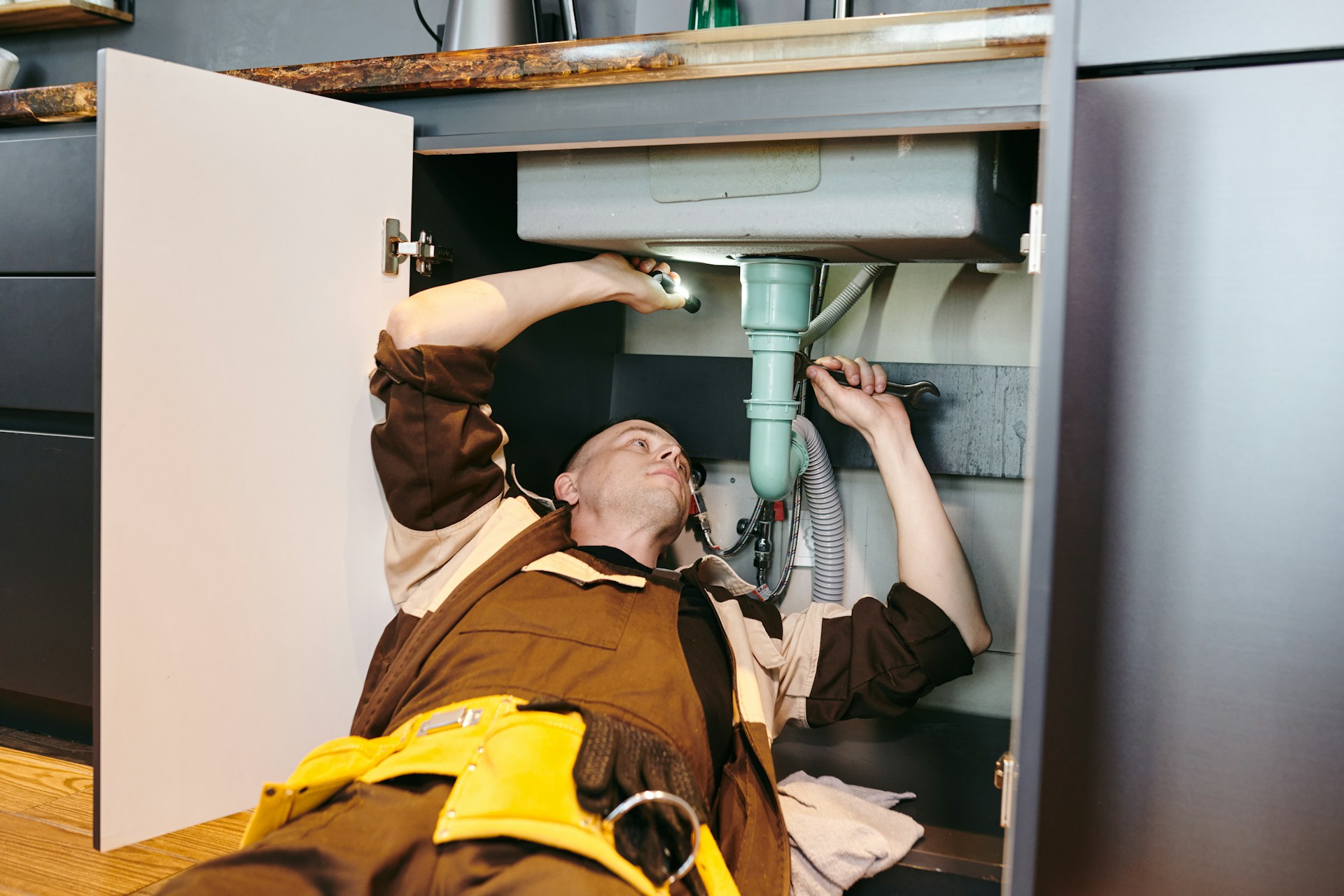
Sometimes grown-ups or plumbers will come to the house to check out a strange smell, test the pipes, or look over the appliances. If kids are home during these visits, let them know it is normal to see workers move around the house and check lots of places. They may use meters, flashlights, or special soapy water, and those tools help them find problems quickly without causing damage.
It might feel odd when someone comes to check pipes or meters, but it is completely normal. Trained professionals do this all the time. They are careful and know how to spot small problems before they turn into big ones. Knowing that someone with experience is handling things can make everyone feel more at ease.
Kids may feel nervous about someone new working in the home, so it helps to explain that their job is to keep the family safe. They may ask questions like where the smell started or what everyone noticed first. Remind children to answer honestly and not to worry if they do not know all the details. Working together as a family helps things move faster.
After a professional visit, ask kids how they felt about it and answer any leftover questions. Sometimes, just talking about what happened can make them feel better and more comfortable if it needs to happen again.
We know odd smells or sounds can feel scary at first, but they do not have to be. When kids understand what is normal and what is not, they can act quickly and safely. That can make a big difference in how a gas line issue is handled.
By learning how to spot warning signs, move away safely, and speak up when something feels off, kids become part of the safety plan at home. It is not about being afraid, it is about being ready. A little awareness can go a long way in keeping everyone safe and sound.
Having open conversations about gas safety turns a tricky topic into something simple and clear. Remind your family at the start of each season what to pay attention to, and support your kids as they develop confidence in what to do. When everyone is prepared and aware, facing surprising smells or odd noises does not have to be stressful. It can just be one more thing the family handles calmly together.
Stay vigilant when it comes to your family's safety. At Carter Quality Plumbing, we are dedicated to addressing any concerns with your gas line to ensure your home remains secure and comfortable. Our professionals are equipped to handle potential issues before they escalate, providing peace of mind for you and your loved ones. Don't hesitate to contact us when you suspect a problem; we're here to help.