

How Often Should You Flush Your Water Heater?
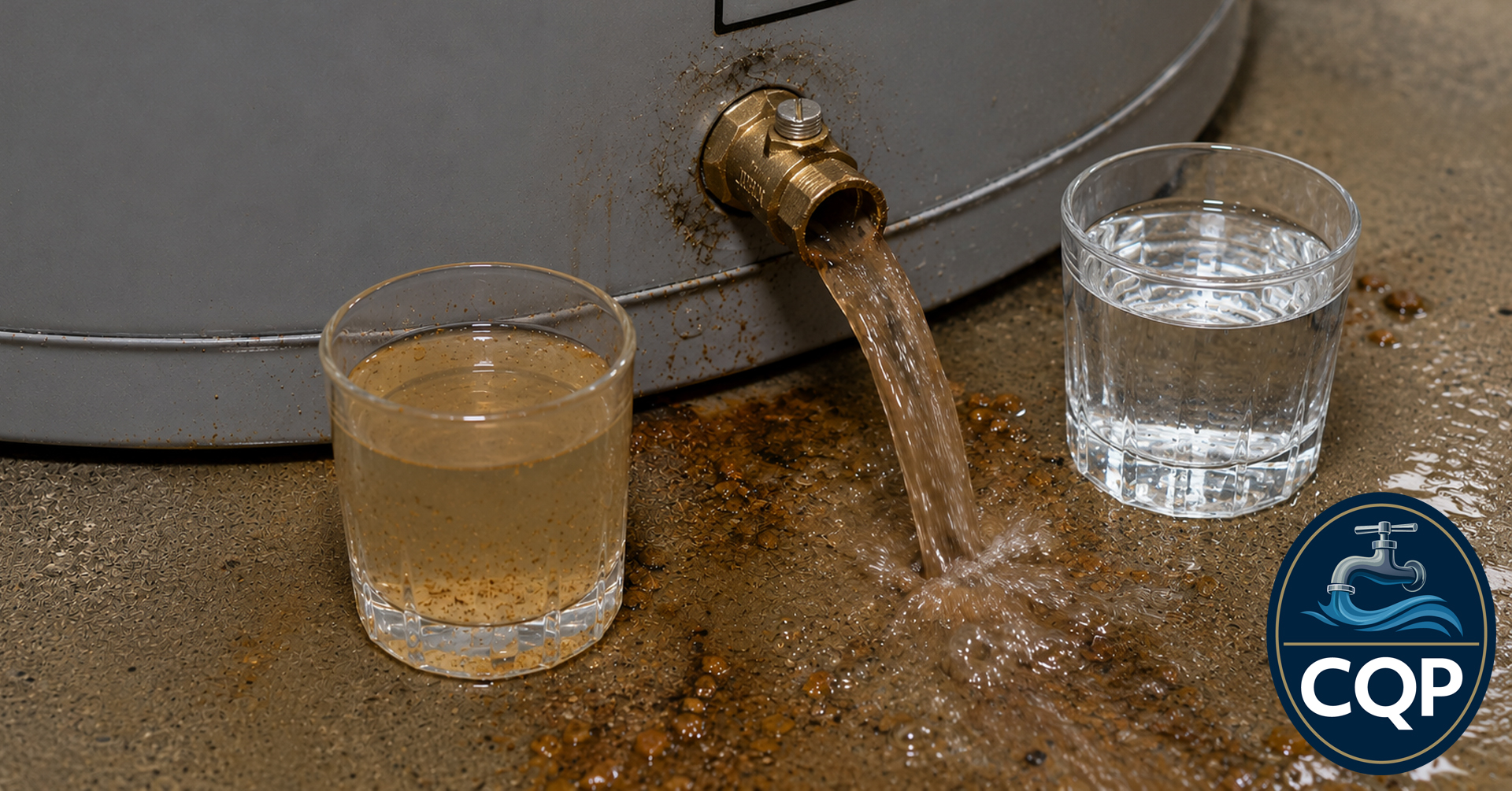
You should Flush Your Water Heater regularly to remove sediment, protect performance, and prepare for increased seasonal demand.
.jpg)


When cold weather sets in, most of us start depending more on gas-powered appliances like furnaces, water heaters, and stoves to keep things warm and comfortable inside. While those systems are built to handle winter use, this is also the time when gas problems are more likely to show up. And when they do, they can be serious.
Knowing the early signs of a gas line issue and what to do next can keep everyone safer. Winter weather may make these problems harder to spot or fix, but the sooner you act, the better the outcome.
Gas lines do not usually get much attention unless something goes wrong. During winter, a few things can raise the risk of trouble.
All of these can increase the chances of something going wrong, especially if your system is older or has not been looked at in a while. It is a smart idea to pay attention during peak winter usage, even if nothing seems off at first. Catching small signs early is always a better option than cleaning up after something larger gets out of hand.
Gas lines do not give a lot of warning when a problem starts, but there are a few clear signs to keep in mind. If you catch them early, you can act quickly and help avoid bigger problems.
These indicators suggest something could be wrong with your gas line. Even if the problem seems small or comes and goes, it is worth taking seriously. Gas issues often get worse the longer they are ignored.
When something seems off, it might feel tempting to take a closer look or try a quick fix. With gas, acting quickly is not more important than being safe. The wrong move can make things worse in a hurry.
In most cases, people are trained to troubleshoot small household problems on their own. Gas does not allow for mistakes. It is better to step away and let someone else find out what is going on safely.
Once you suspect something is wrong, the next few minutes matter. Staying calm and making smart moves helps keep you and others safe.
Once you are out of the building, do not go back in to grab things or double check. Those few items are not worth risking your health or safety. It is better to wait outside until the problem is clearly understood and addressed.
In winter, gas line repairs are not just harder, they are more technical. Colder air and frozen pipes add steps to any repair job that are not always needed during warmer seasons.
Experienced help becomes even more important in winter conditions. Whether the issue is big or small, it needs a thorough check before power goes back on. Missed steps can lead to another issue later, sometimes worse than the first.
At Carter Quality Plumbing, we are fully licensed to handle gas line repairs, leak detection, and emergency plumbing situations anywhere in Anne Arundel, Maryland. Our technicians respond quickly with 24/7 availability and come equipped to work on both new and existing residential gas systems. Our experience helps keep your repairs on schedule, even if winter weather or frozen ground makes access a challenge.
When it gets colder outside, it is easy to rely on gas appliances without thinking twice. Even small issues can turn into big ones during winter. Being alert to smells, sounds, or strange behavior can make a real difference.
Acting quickly with anything unusual is the best approach. Do not wait for clearer signs or assume the problem will fade once the heater kicks in for the fifth time that day. If something feels off, act early and give yourself the best chance at staying warm and safe through the season ahead.
If you suspect any issues with your gas line, don't take chances with your safety this winter. Carter Quality Plumbing is ready to respond swiftly to any gas line concerns, ensuring your home remains safe and warm. Our experienced technicians are available 24/7, equipped to address any situation with precision and care. Contact us at the first sign of trouble and let us handle the rest.