

Why Are Multiple Drains Slow Throughout Your House?
Learn what multiple slow drains can reveal about shared plumbing problems, what to observe safely, and when to call Carter Quality Plumbing.


Low Water Pressure can make showers disappointing, slow appliances, and everyday chores take longer. Sometimes, the problem develops gradually. Other times, water delivery changes suddenly, with no obvious explanation.
Before assuming you need major repairs, identify where and when the problem happens. A few simple observations can help distinguish an isolated fixture issue from a problem affecting your entire home.
Start by running your kitchen faucet, bathroom sinks, and showers separately. Check fixtures on different floors, then compare hot and cold water. Notice whether the problem affects everything or only certain areas.
One weak faucet usually points toward that fixture, its supply valve, or nearby piping. However, problems throughout your house may involve the main supply, pressure controls, or shared piping. Weak hot water alone suggests checking the water heater and hot water plumbing. These observations give your plumber useful clues without requiring you to disconnect anything.
Although these terms sound similar, they describe different things. Water pressure is the force pushing water through your plumbing. Flow describes how much water moves through a pipe or fixture over time.
For example, a clogged faucet aerator can reduce flow even when incoming pressure remains normal. Mineral deposits inside a showerhead can cause the same problem. Consequently, one weak stream doesn't automatically mean your whole house has low pressure.
Your main shutoff valve controls water entering the house. When partially closed, it restricts delivery to connected fixtures. This sometimes happens after repairs when someone doesn't fully reopen the valve.
Homes with a pressure-reducing valve have another component worth checking. Also called a PRV, this device reduces excessive incoming pressure. Incorrect settings, debris, or failing internal parts can cause weak or inconsistent performance.
Look for visible leaks around accessible valves but avoid forcing handles or changing regulator settings. Instead, let a plumber test the pressure and determine whether the valve needs adjustment or replacement.
Leaks can divert water before it reaches your fixtures. Small leaks may not noticeably affect pressure, but larger leaks can cause significant changes. Watch for damp cabinets, water stains, unexplained running-water sounds, or unusually wet ground. An unexpected increase in your water bill can be another clue. However, homes using private wells won't have that warning.
Older galvanized pipes can develop internal corrosion that narrows their openings. Similarly, mineral buildup can restrict fixtures and equipment, reducing available flow. These problems often develop gradually rather than appearing overnight. Whole-house filters can also restrict delivery when they clog or are overdue for maintenance.
A plumber can identify whether the restriction affects one component or a larger section of piping. Replacing fixtures alone won't solve restricted supply pipes.
Low water pressure in well-supplied homes can involve several components working together. The pump moves water into the system, while the pressure tank stores water under pressure. Meanwhile, the pressure switch controls when the pump starts and stops.
An incorrect air charge or a damaged bladder can cause frequent pump cycling and pressure fluctuations. Problems with the switch can disrupt pump operation. Additionally, a struggling pump or limited well production may prevent the system from meeting household demand.
Notice whether pressure rises and falls repeatedly or the pump starts unusually often. Share those observations with your plumber rather than opening equipment or changing settings. Well systems combine electricity and pressurized water, making professional diagnosis important.
Running several fixtures simultaneously can temporarily reduce performance. For example, your shower might weaken while the washing machine fills and someone uses the kitchen faucet. Once those demands stop, performance may return to normal.
Try comparing one fixture's performance when other appliances aren't using water. A dramatic change during ordinary household use deserves investigation. Restrictions, limited supply capacity, or undersized piping may contribute to the problem. Ofwat
Write down when the problem began and whether it followed plumbing repairs or equipment installation. Check accessible plumbing for moisture without removing covers or opening walls. Also, note whether water looks different or pressure changes at predictable times. Photographs of visible moisture can help explain what you're experiencing.
For municipal water, ask nearby neighbors whether they noticed similar problems. Check your supplier's service alerts for maintenance or water main repairs. A neighborhood supply disruption may require the utility's attention rather than repairs inside your home.
Sudden, unexplained pressure drops deserve prompt investigation, especially when accompanied by leaking water. Contact a plumber if you see an active leak or developing water damage. Shut off the affected supply only when you know how and can do so safely.
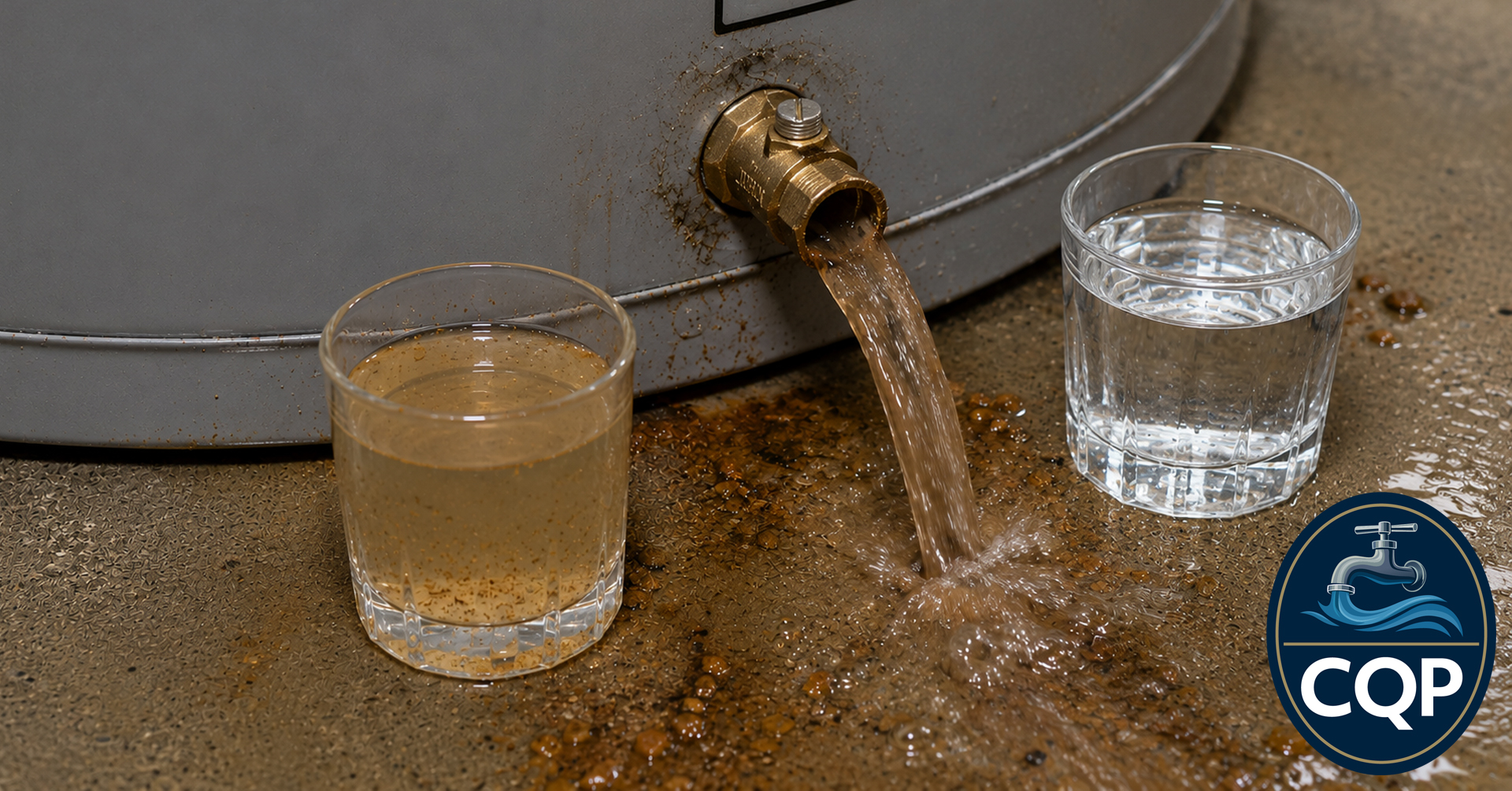
Discolored water also warrants attention, particularly when it appears alongside a pressure change. Contact your water supplier for municipal service concerns, or your plumber for problems within your property. Avoid drinking unexplained discolored water until you receive appropriate guidance about its safety.
Persistent problems matter too. Don't wait until you lose all water before arranging an assessment.
Carter Quality Plumbing serves homeowners throughout Annapolis and Anne Arundel County, Maryland. Founded by Brian Carter, a Master Plumber and county native, our family-focused business values clear communication and reliable service.
Our diagnostic process starts with your observations and an inspection of accessible plumbing. Depending on your system, we assess affected fixtures, pressure readings, valves, piping, and well-tank controls. Then we explain our findings and provide an estimate before we begin approved work.
Explore our plumbing leak repairs, fixture repair services, and well tank repair options for related concerns. Beyond pressure problems, we also help with drain cleaning and water heater repair or replacement. Contact Carter Quality Plumbing to identify the cause of Low Water Pressure and discuss the right solution for your home.